자격 증명 스터핑은 DDoS가 아님!
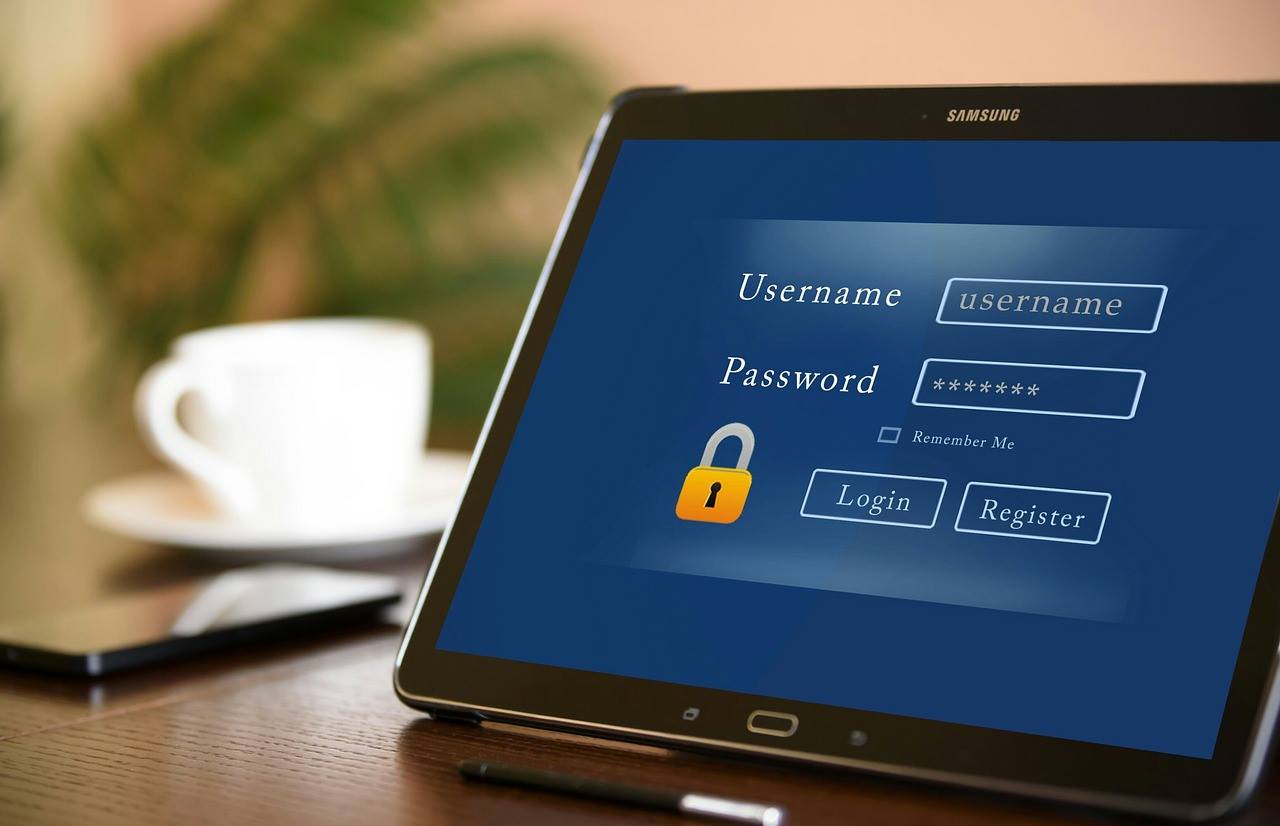
지난 몇 년 동안 나는 이것을 여러 번 들었다: 누군가가 자신의 웹사이트에서 강력한 DDoS 공격을 받고 있다. 그들에게 어떤 유형의 공격을 경험하고 있는지 물어볼 때, 대답은 보통 악당들이 수천에서 수백만 건의 POST 요청을 보내고 있다는 것이다. 이러한 요청이 어디에 타겟팅되고 있는지 물어보면, 대답은 종종 가입 또는 로그인 페이지입니다!
자격 증명 스터핑 공격은 HTTP 플러드 DDoS 공격이 아니며 훨씬 더 위험합니다. 이러한 공격은 조직에 수백만 달러의 데이터 손실과 평판 손상을 초래할 수 있습니다. HTTP 플러드 DDoS 공격이 웹사이트에 트래픽을 몰아넣는 동안, 서버를 과부하시키고 충돌시킵니다, 자격 증명 스터핑 공격은 보다 표적화되고 교활한 형태의 사이버 공격입니다. 자격 증명 스터핑 공격에서, 해커는 자동화된 봇을 사용하여 웹사이트 로그인 페이지에서 수천 또는 수백만 개의 도난당한 사용자 이름과 비밀번호를 시도하여 사용자에게 무단으로 접근합니다’ 계정. 현재, 도난당한 자격 증명의 판매는 범죄자에게 가장 수익성 높은 사업 중 하나입니다 그리고 이러한 자격 증명은 자격 증명 스터핑 공격에 사용되고 있습니다.
HTTP 플러드 DDoS 공격과는 달리, 주로 웹사이트 운영을 방해하는 것을 목표로 하는, 자격 증명 스터핑 공격은 민감한 데이터 도용에 집중합니다, 손상된 사용자 계정에서 개인 및 재무 데이터와 같은. 이러한 공격은 데이터 손실로 이어질 수 있으므로 회사의 수익에 상당한 영향을 미칠 수 있습니다, 규제 손해, 그리고 법적 책임까지. 자격 증명 스터핑 공격은 민감한 고객 데이터를 저장하는 조직에 특히 파괴적일 수 있습니다., 금융 부문과 같은, 의료 제공자, 및 전자 상거래 회사. 해커가 귀하의 계정에 접근하면, 신용 카드 정보를 훔칠 수 있습니다., 사회 보장 번호, 및 기타 민감한 데이터.
자격 증명 스터핑 공격으로 인한 직접적인 경제적 손실 외에도, 고객 신뢰 상실 및 조직의 명성 손상과 같은 간접 비용도 있습니다.. 고객은 고프로필 데이터 유출에 영향을 받은 회사와 거래하기를 꺼릴 수 있습니다., 공격과 관련된 부정적인 홍보는 극복하기 어려울 수 있습니다..
자격 증명 스터핑 공격으로부터 보호하기 위해, 조직은 강력한 인증 조치를 구현해야 합니다. 다단계 인증 및 CAPTCHA와 같은 조치를 통해 자동화된 봇이 사용자 계정에 무단으로 접근하는 것을 방지해야 합니다.. 또한 의심스러운 활동의 징후에 대해 시스템을 모니터링하고 사용자에게 잠재적인 계정 손상에 대해 사전 경고해야 합니다.. 이러한 사건이 발생할 경우 강력한 사고 대응 계획도 마련되어 있어야 합니다..






포스트 면책 조항
견해, 정보, 또는 표현된 의견은 전적으로 작성자의 개인 의견이며, 반드시 작성자의 고용주 또는 그가 속한 조직의 의견을 나타내는 것은 아닙니다..
이 게시물에 포함된 정보는 일반적인 정보 제공 목적으로만 사용됩니다.. 정보는 파르하드 모피디가 제공했으며, 그는 정보를 최신 및 정확성 유지하기 위해 노력하지만, 어떠한 진술이나 보증도 하지 않습니다, 명시적이든 암시적이든, 완전성, 정확성, 신뢰성, 웹사이트의 적합성 또는 가용성. 파르하드는 어떠한 진술이나 보증도 하지 않습니다. 또는 어떠한 정보, 어떤 목적을 위한 게시물에 포함된 제품 또는 관련 그래픽.
또한, AI는 제안을 제공하고 일부 내용이나 문장을 개선하는 도구로 사용될 수 있다. 아이디어, 생각, 의견, 최종 제품은 원본이며 저자가 만든 인간 제작물입니다.