Ny famenoana kaonty dia tsy DDoS!
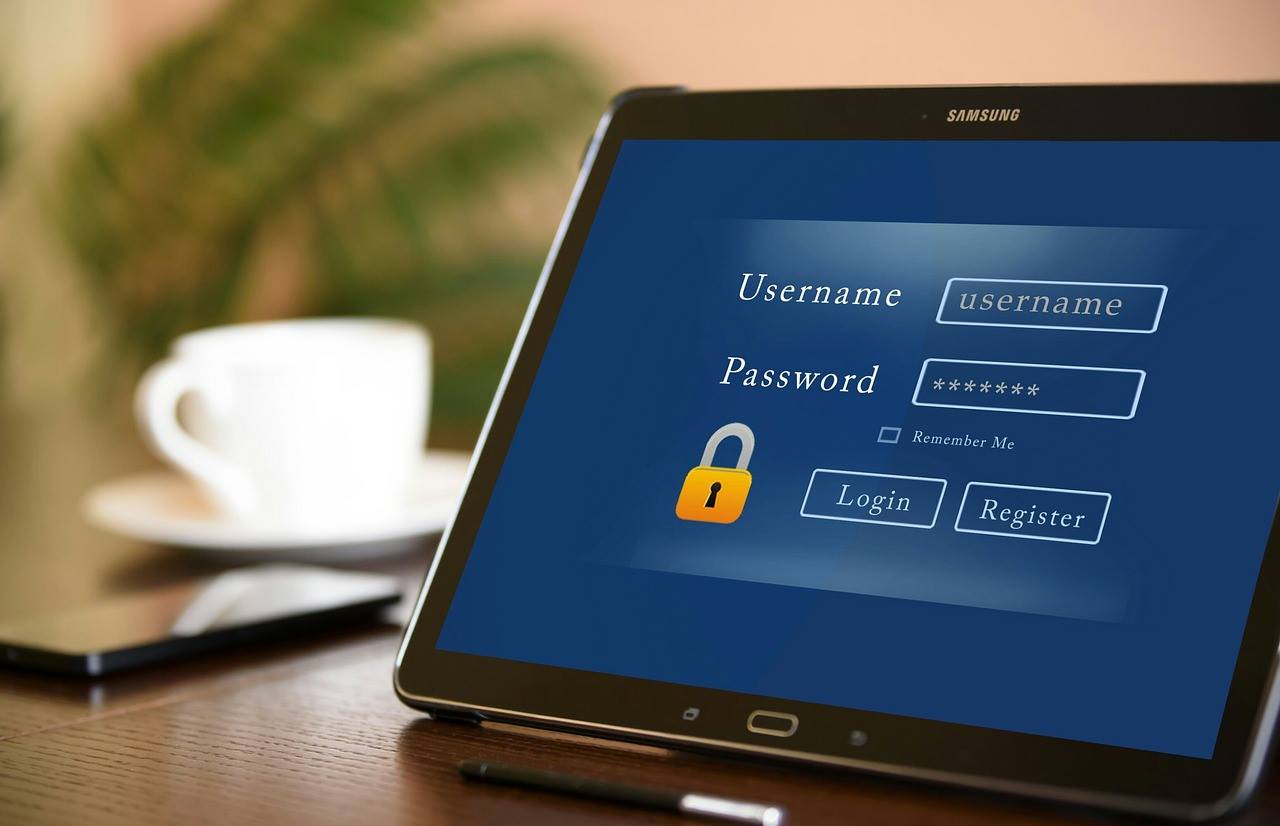
Efa imbetsaka aho no naheno izany nandritra ny taona maro farany: misy olona miaina fanafihana DDoS mavesatra ao amin'ny tranonkalany. Rehefa manontany azy ireo aho hoe karazana fanafihana inona no iainan'izy ireo, ny valiny dia matetika hoe mandefa fangatahana POST an'arivony na an-tapitrisany mihitsy aza ireo olon-dratsy. When I ask where these requests are being targeted, the answer is often the sign-up or login page!
Credential stuffing attacks are not HTTP flood DDoS attacks and are much more dangerous. These attacks may cost organizations millions of dollars in data loss and reputation damage. While an HTTP flood DDoS attack floods a website with traffic, overloading and crashing the server, a credential stuffing attack is a more targeted and insidious form of cyberattack. In a credential stuffing attack, hackers use automated bots to try thousands or millions of stolen usernames and passwords on website login pages to gain unauthorized access to users’ accounts. Currently, sale of stolen credentials are one of the most profitable businesses for criminals and those credentials are being used for credential stuffing attacks.
Unlike HTTP flood DDoS attacks, which are primarily aimed at disrupting website operations, credential stuffing attacks focus on stealing sensitive data, such as personal and financial data from compromised user accounts. These attacks can have a significant impact on a company’s bottom line as it can lead to data loss, regulatory damages, and even legal liability. Credential stuffing attacks can be particularly devastating for organizations that store sensitive customer data, such as financial sector, healthcare providers, and e-commerce companies. If a hacker gains access to your account, they can steal credit card information, social security numbers, and other sensitive data.
In addition to the direct economic losses from credential stuffing attacks, there are also indirect costs such as loss of customer trust and damage to an organization’s reputation. Customers may be reluctant to do business with companies affected by high-profile data breaches, and the negative publicity associated with attacks can be difficult to overcome.
To protect against credential stuffing attacks, organizations should implement strong authentication measures such as multi-factor authentication and CAPTCHAs to prevent automated bots from gaining unauthorized access to user accounts. You should also monitor your system for signs of suspicious activity and proactively warn users of potential account compromise. A robust incident response plan should be also in place if such an incident occurs.
More from me
 How to deal with new tracking techniques; Zombie cookies and Canvas fingerprinting
 Miahiahy na Vonona? Ny mpitsikera eo amin'ny biraonao
 The WAF is dead, long live the WAF!
 Fanafihana Watering hole: ny fomba fidiran'ny APT sy jiolahy amin'ny rafitra voaaro
 Breaking Down Barriers
 Fanafihana DDoS amin'ny soson'ny fampiharana, ary ny fomba azo atao hisorohana izany
Fanamarihana momba ny lahatsoratra
Ny hevitra, ny vaovao, na ny opinion izay voalaza dia an'ny mpanoratra irery ihany ary tsy maneho an'ireo mpampiasa na ny fikambanana miaraka aminy.
Ny vaovao ao amin'ity lahatsoratra ity dia natao ho an'ny tanjona fampahalalana ankapobeny fotsiny. Ny vaovao dia omen'i Farhad Mofidi ary raha miezaka izy mba hitazona ny vaovao ho maoderina sy marina, tsy manao fanambarana na fiantohana amin'ny karazana rehetra izy, na mivantana na an-kitehirizana, momba ny fahafenoana, ny fahamarinan'ny vaovao, ny faharetan'ny vaovao, ny mety na ny fahazoana ny tranokala. Tsy manao fanambarana na fiantohana i Farhad. na amin'ny vaovao rehetra, vokatra na sary mifandraika amin'izany izay ao anatin'ny lahatsoratra ho amin'ny tanjona rehetra.
Ary koa, Afaka ampiasaina ny AI ho fitaovana hanomezana soso-kevitra sy hanatsarana ny votoaty na andian-teny sasany. Ny hevitra, eritreritra, fijery, ary ny vokatra farany dia tena novokarin'ny olona sy novolavolain'ny mpanoratra.