Ukufakwa okuqinisekisiwe akuwona ama-DDOs!
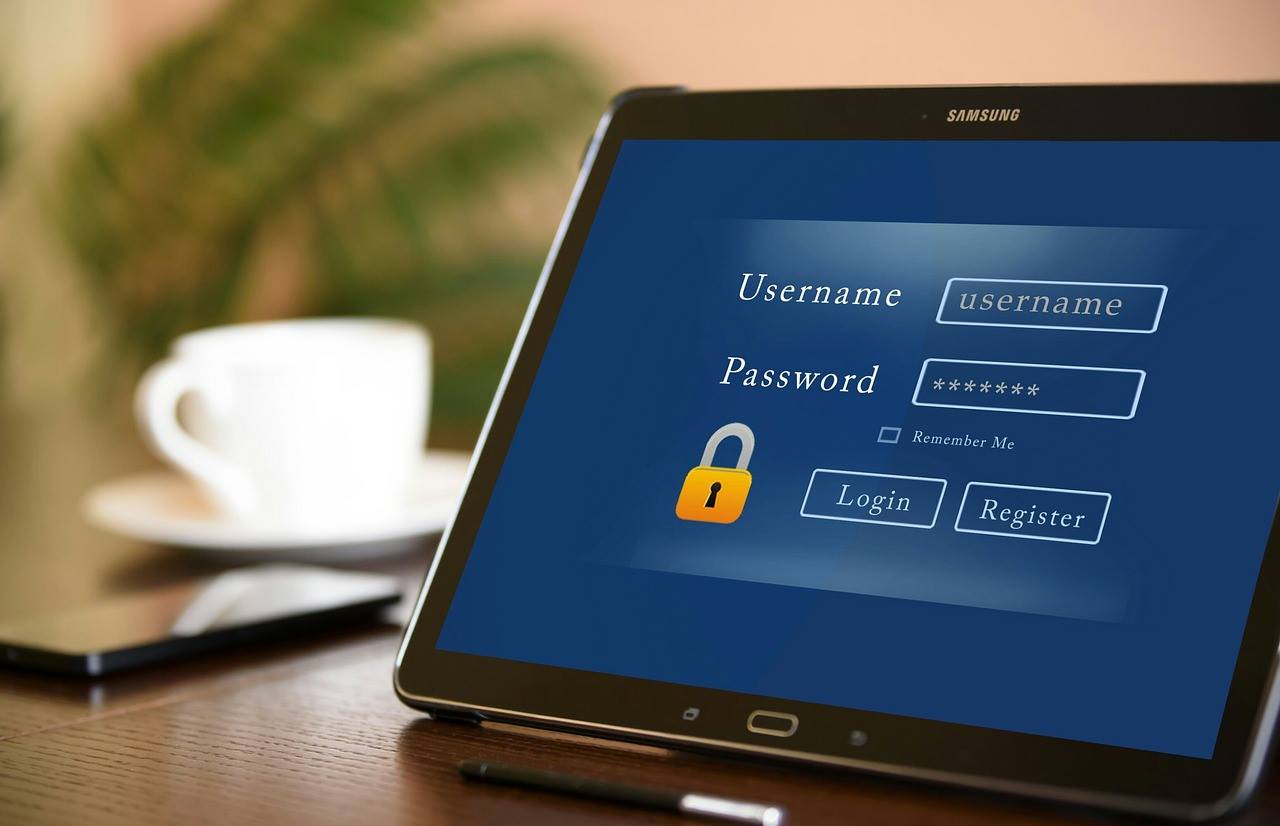
Ngizwile kaninginingi lapho kuqhubeka iminyaka eminingana edlule: Othile uhlangabezana nokuhlasela kwe-DDOS esindayo kuwebhusayithi yabo. Lapho ngibabuza ukuthi hlobo luni lokuhlaselwa abahlangabezana nalo, impendulo ivamise ukuba ukuthi abantu ababi bathumela kubo izicelo ezinkulungwaneni noma ngisho ezigidini ze-POST. When I ask where these requests are being targeted, the answer is often the sign-up or login page!
Credential stuffing attacks are not HTTP flood DDoS attacks and are much more dangerous. These attacks may cost organizations millions of dollars in data loss and reputation damage. While an HTTP flood DDoS attack floods a website with traffic, overloading and crashing the server, a credential stuffing attack is a more targeted and insidious form of cyberattack. In a credential stuffing attack, hackers use automated bots to try thousands or millions of stolen usernames and passwords on website login pages to gain unauthorized access to users’ accounts. Currently, sale of stolen credentials are one of the most profitable businesses for criminals and those credentials are being used for credential stuffing attacks.
Unlike HTTP flood DDoS attacks, which are primarily aimed at disrupting website operations, credential stuffing attacks focus on stealing sensitive data, such as personal and financial data from compromised user accounts. These attacks can have a significant impact on a company’s bottom line as it can lead to data loss, regulatory damages, and even legal liability. Credential stuffing attacks can be particularly devastating for organizations that store sensitive customer data, such as financial sector, healthcare providers, and e-commerce companies. If a hacker gains access to your account, they can steal credit card information, social security numbers, and other sensitive data.
In addition to the direct economic losses from credential stuffing attacks, there are also indirect costs such as loss of customer trust and damage to an organization’s reputation. Customers may be reluctant to do business with companies affected by high-profile data breaches, and the negative publicity associated with attacks can be difficult to overcome.
To protect against credential stuffing attacks, organizations should implement strong authentication measures such as multi-factor authentication and CAPTCHAs to prevent automated bots from gaining unauthorized access to user accounts. You should also monitor your system for signs of suspicious activity and proactively warn users of potential account compromise. A robust incident response plan should be also in place if such an incident occurs.
More from me
 Indlela Yokuthola Umsebenzi Wokuphepha Kwezinga Lokungena
 Breaking Down Barriers
 Ungabhekana kanjani namasu amasha wokulandela umkhondo; Amakhukhi we-Zombie kanye nokufaka iminwe ye-canvas
 Isendlalelo sesendlalelo sohlelo lokuhlasela DDOS, nokuthi zingangcoliswa kanjani
 The end of Suhosin; what is next?
 Ukuhlaselwa komgodi wokunisela: Izigebengu ze-APT ne-cyber zingena ngaphakathi kwengqalasizinda evikelekile
Isaziso Sokuthumela
Imibono, ulwazi, noma iziphakamiso eziveziwe yingcweti kuphela futhi azimeleni ngokuqinisekile izikhundla zomholo wakhe noma izinhlangano aphesheya kwezo.
Ulwazi olutholakala kule post lukhona ngenhloso yokwazisa kuphela. Ulwazi lunikezwe ngu-Farhad Mofidi futhi nakuba ezama ukugcina ulwazi luhlale lusesikhathini futhi lunembile, akakhombisi noma ukunikeza iziqinisekiso ngohlobo oluthile, ngokuqondile noma ngokungaqondile, mayelana nokugcwaliseka, ukunemba, ukwethembeka, ukufaneleka noma ukutholakala kwesayithi. UFarhad akakhombisi noma ukunikeza iziqinisekiso. noma ulwazi oluthile, imikhiqizo noma izithombe ezihlobene equkethwe kunoma yisiphi isithombe ngenhloso ethile.
Futhi, AI ingasetshenziswa njenge ithuluzi lokunikeza iziphakamiso nokuthuthukisa ezinye zezinto noma imisho. Imibono, imicabango, izimvo, nemikhiqizo yokugcina iyingqalabutho nenzelwe abantu ngumBHALI.