古代世界最大的安全失敗: 國王谷的安全教訓
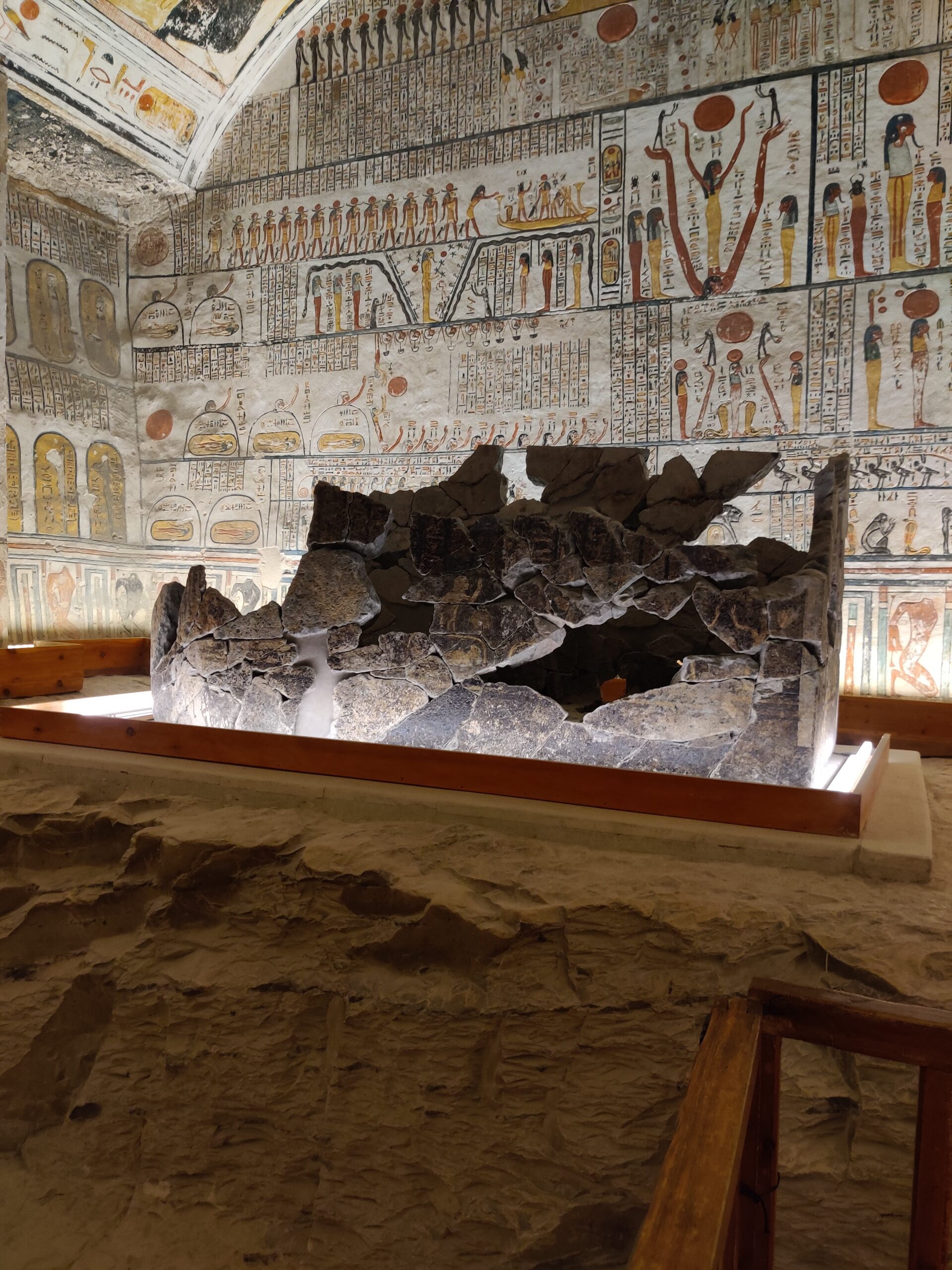
多虧萬事達卡的長年假 (我們有 25 天數!) 我本月早些時候去埃及兩週旅行,參觀我一直想看的地方: 古代法老在國王谷的墓穴. 作為一名安全工程師, I could not help looking at these tombs as an ancient security program and as a case study on how defenses can fail over time.
Ancient Egypt left behind more artifacts than most other ancient cultures. One reason is that the Egyptians, especially their kings, were deeply focused on death and the afterlife with their physical bodies. They believed the body must be preserved (mummified) so the king could continue his journey after death and become a god! Because Egyptians invested so much in funerary goods and mummification, many objects survived at least until tomb raiders found some of them.
A brief look at the tomb of Tutankhamun (KV62) which was discovered in the early 20th century, shows what might have been placed in other royal tombs. It was one of the few royal tombs not fully looted in ancient times. It contained hundreds of kilograms of gold and many other treasures from over 3,300 years ago.
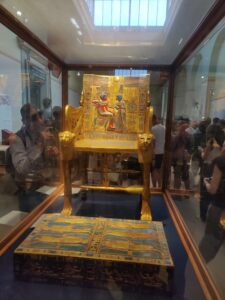
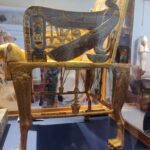
Golden Throne of Tutankhamun was found in his burial chamber by archaeologist Howard Carter in 1922
From obvious pyramids to hidden tombs
In the Old and Middle Kingdoms, kings built pyramids as burial placements. These monuments were easy to see, which also made them easy to target. Even though they used blocking stones and other tricks, many were robbed. Later, in the New Kingdom (about 3,500 years ago) pharaohs moved to a new model: security by obscurity. They saw what happened to the pyramids of their predecessors, so they chose a remote valley on the west bank of the Nile, near today’s Luxor, and dug hidden tombs into the rock. 他們建造並隔離了一個工人村莊, 德爾·埃爾-梅迪納, 以保護地點和細節的秘密. 大約 500 年, 這個村莊建造了新法老的陵墓.
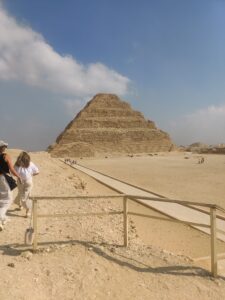
喬塞爾金字塔被認為是有史以來建造的第一座金字塔,大約在 4,700 years ago.
這些陵墓是必不可少的. 死者需要他們的木乃伊化身體, 物品, 供品, 以及像《亡靈書》這樣的指南來到達奧西里斯並在來世中生活. 如果陵墓被盜, 這不僅是物質上的損失,也是精神上的失敗.
我在訪問中所見
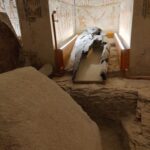
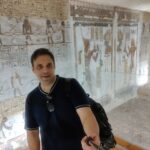
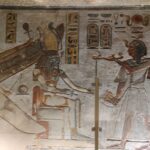
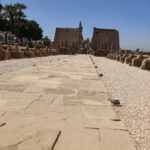
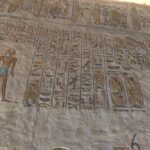
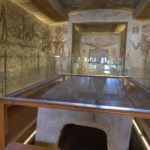
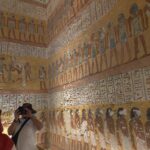
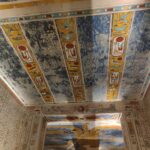
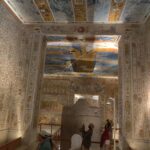
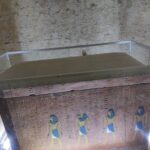
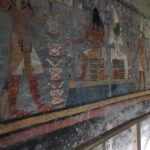
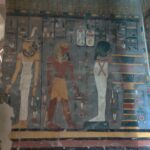
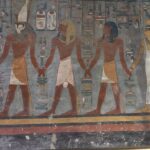
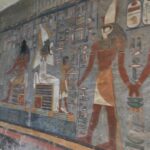
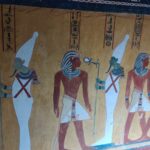
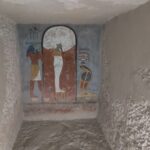
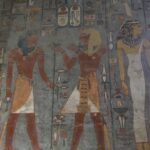
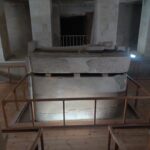
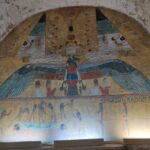
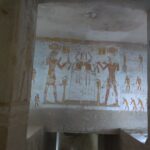
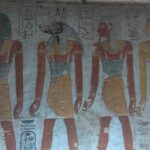
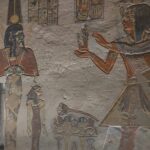
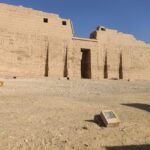
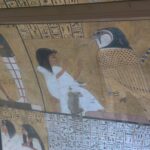
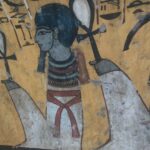
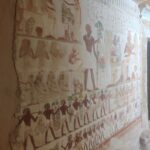
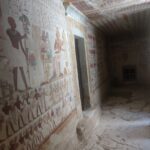
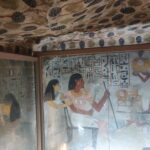
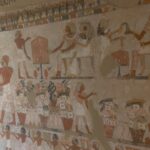
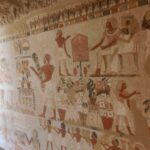
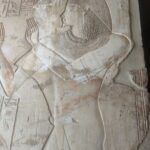
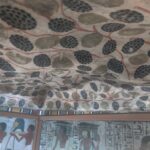
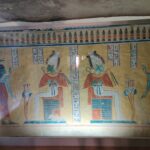
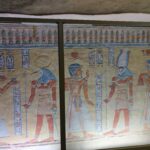
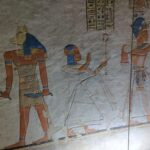
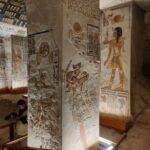
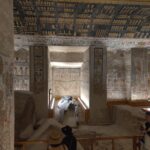
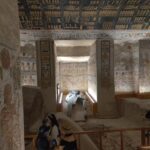
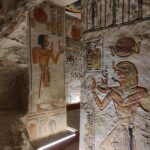
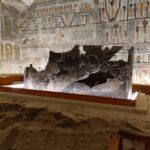
我幾乎參觀了所有對公眾開放的國王谷陵墓, 女王谷, 以及德爾-埃爾-馬迪納. 一個有趣的觀察是,你可以看到不同國王做出的不同風險選擇. 有些把他們的陵墓建在更容易到達的地方, betting on internal complexity and decoration. Others, like Thutmose III, chose harder, more hidden positions. But in the end, almost all of these tombs were found and robbed during later periods of instability by motivated attackers. This means that even the smarter and more risk averse kings also failed in their security designs. Here is my take on why the defenses failed and how it could have been better.
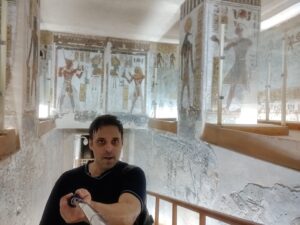
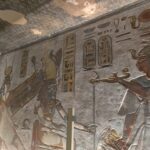
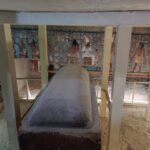
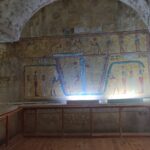
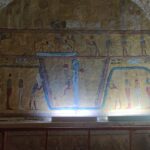
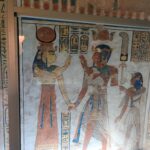
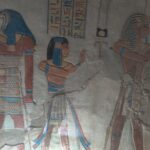
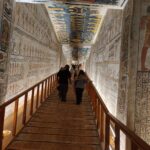
Burial chamber of Ramses the third in my background.
Why the defenses failed
- Security by obscurity was the main control. Hidden entrances, sealed doors, and a remote valley helped, but they were not enough for a defense that needed to last thousands of years.
- Time favored attackers (I always say this one to my clients!). Over centuries, secrecy leaks. Rock shifts. Political crises come and go. Motivation stays high when treasure is involved.
- Limited defense in depth. Blocking stones and false corridors slowed attackers but did not stop tunneling or insider‑enabled bypass. The main defense was security by obscurity and no additional controls.
- Insider threat, late New Kingdom instability, inflation, and delayed rations (the strike at Deir el‑Medina) increased theft and bribery. Trial records mention stonemasons, smiths, necropolis police, and low ranking priests involved in robberies.
- Single points of failure with a trusted community. Too much knowledge and access sat with one small, trusted community. Once secrecy failed there, the whole system failed.
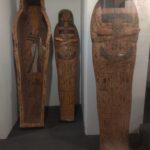
- No continuous monitoring or incident response was in place (very difficult to put it in place for thousands of years and more!). Painted snakes and divine guardians were symbolic, not real controls. (They had many of them on the walls and around coffins!) There were seals, but there was no sustained monitoring, patrols, or effective response over the long term.
Common security mistakes by the Pharaohs
- Controls did not match asset value. If you bury hundreds of kilograms of gold with the king, you invite extreme, persistent attacks. The defense did not match that high value.
- Over reliance on secrecy. Obscurity helped at first, but there were few layered controls after secrecy was gone.
- No least privilege! Many workers in Deir el‑Medina had broad knowledge of plans, maps, and layouts. This enabled later robberies.
Weak access governance. Privileged access management did not exist in a modern sense. The same teams that built the tombs knew how to breach them.
How they could have improved
- Reduce attacker motivation (MOM framework: Success = motive + method + opportunity): They should not bury large amounts of gold with the body. Keep the body for the afterlife, but remove the main motive.
- If treasure must be buried, separate it from the mummy in independent, randomized chambers, far from the main burial, with anti‑tunneling features (rubble trenches, hard bedrock layers, decoy shafts).
- Add defense in depth: Multiple sealed compartments with different sealing methods and independent stone barriers.
- Physical anti‑tamper layers that make tunneling noisy, risky, and slow.
- Enforce least privilege of knowledge: Split design details so no single team knows the full layout. Rotate crews, compartmentalize tasks, and use need‑to‑know for locations of final burial chambers.
- Keep final chamber work to a very small, highly trusted team, then remove or relocate them.
- Deception: Multiple decoy chambers with convincing goods, placed early in the build so workers think the decoy is real. False burial events to create misleading oral history.
-
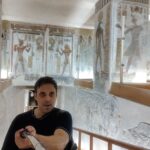
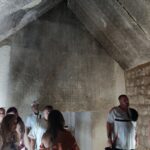
- Burial chamber of ramses the third in my background.
-
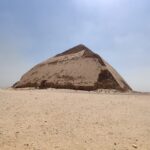
- Bent Pyramid
-
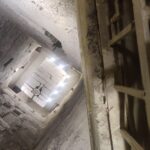
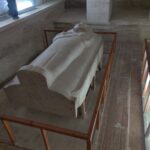
- King Djoser’s burial placement (circa ~4700 years ago)
-
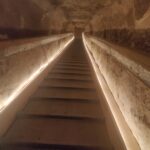
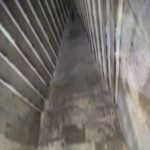
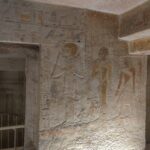
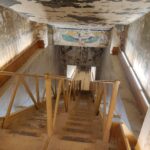
- I went 89 meters down to reach the first burial chamber of the Bent pyramid
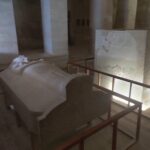
-
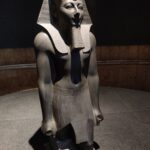
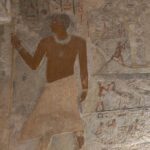
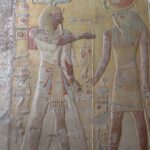
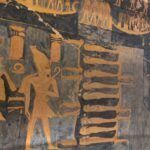
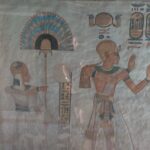
- King Thutmose III circa ~1500 BCE
-
- oppo_16

-
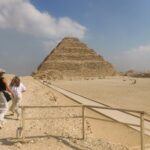
- 喬塞爾金字塔被認為是有史以來建造的第一座金字塔,大約在 4,700 years ago.
-
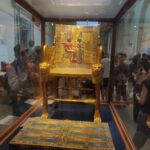
- Golden Throne of Tutankhamun was found in his burial chamber by archaeologist Howard Carter in 1922
-

- A panoramic view of the great pyramid 1
-

- A panoramic view of the great pyramid 2






文章免責聲明
觀點, 資訊, or opinions expressed are solely those of the author and do not necessarily represent those of his employer or the organizations with which he is affiliated.
The information contained in this post is for general information purposes only. The information is provided by Farhad Mofidi and while he strives to keep the information current and accurate, he does not make any representations or warranties of any kind, express or implied, regarding the completeness, accuracy, reliability, suitability or availability of the website. Farhad makes no representations or warranties. or any information, products or related graphics contained in any Post for any purpose.
Also, AI may be employed as a tool to provide suggestions and improve some of the contents or sentences. The ideas, thoughts, opinions, 最終產品為原創且由作者親自製作.