Credential stuffing không phải là DDoS!
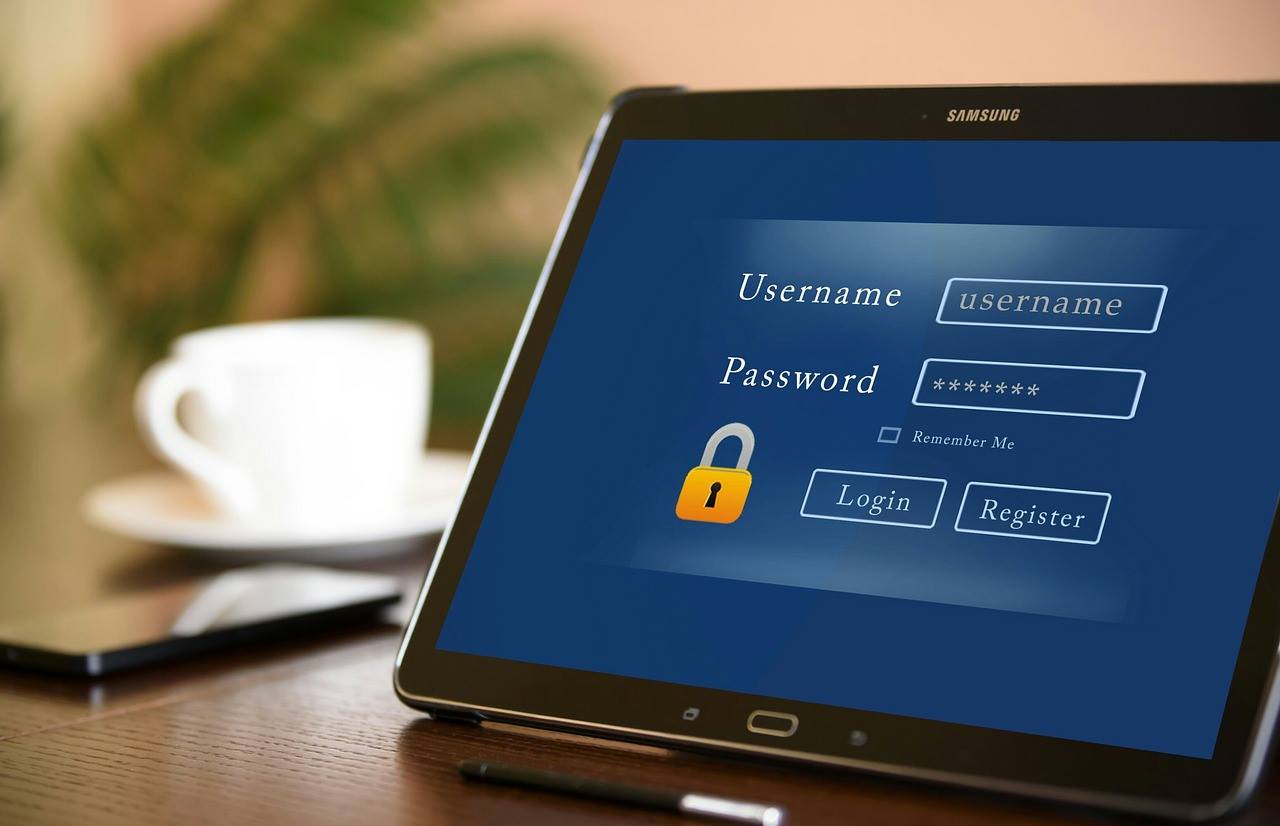
I have heard this many times over the course of the last several years: someone is experiencing a heavy DDoS attack on their website. When I ask them what type of attack they are experiencing, the answer is usually that the bad guys are sending them thousands or even millions of POST requests. When I ask where these requests are being targeted, the answer is often the sign-up or login page!
Credential stuffing attacks are not HTTP flood DDoS attacks and are much more dangerous. These attacks may cost organizations millions of dollars in data loss and reputation damage. While an HTTP flood DDoS attack floods a website with traffic, overloading and crashing the server, a credential stuffing attack is a more targeted and insidious form of cyberattack. In a credential stuffing attack, hackers use automated bots to try thousands or millions of stolen usernames and passwords on website login pages to gain unauthorized access to users’ accounts. Currently, sale of stolen credentials are one of the most profitable businesses for criminals and those credentials are being used for credential stuffing attacks.
Unlike HTTP flood DDoS attacks, which are primarily aimed at disrupting website operations, credential stuffing attacks focus on stealing sensitive data, such as personal and financial data from compromised user accounts. These attacks can have a significant impact on a company’s bottom line as it can lead to data loss, regulatory damages, and even legal liability. Credential stuffing attacks can be particularly devastating for organizations that store sensitive customer data, such as financial sector, healthcare providers, and e-commerce companies. If a hacker gains access to your account, they can steal credit card information, social security numbers, and other sensitive data.
In addition to the direct economic losses from credential stuffing attacks, there are also indirect costs such as loss of customer trust and damage to an organization’s reputation. Customers may be reluctant to do business with companies affected by high-profile data breaches, and the negative publicity associated with attacks can be difficult to overcome.
To protect against credential stuffing attacks, organizations should implement strong authentication measures such as multi-factor authentication and CAPTCHAs to prevent automated bots from gaining unauthorized access to user accounts. You should also monitor your system for signs of suspicious activity and proactively warn users of potential account compromise. A robust incident response plan should be also in place if such an incident occurs.
More from me
 Cách để có được một công việc an ninh mạng cấp entry-level
 Paranoid hay Chuẩn bị kỹ lưỡng? Những gián điệp trên bàn làm việc của bạn
 Các cuộc tấn công DDoS tầng ứng dụng, và cách chúng có thể được giảm thiểu
 Các cuộc tấn công Watering Hole: cách APT và tội phạm mạng xâm nhập vào các hạ tầng an toàn
 How to deal with new tracking techniques; Zombie cookies and Canvas fingerprinting
 Breaking Down Barriers
Tuyên bố từ chối đăng bài
Các quan điểm, thông tin, hoặc các ý kiến được bày tỏ hoàn toàn là của tác giả và chưa chắc đại diện cho ý kiến của nhà tuyển dụng của ông hoặc các tổ chức mà ông liên kết.
Thông tin chứa trong bài đăng này chỉ nhằm mục đích thông tin chung. Thông tin được cung cấp bởi Farhad Mofidi và trong khi ông cố gắng giữ thông tin cập nhật và chính xác, ông không đưa ra bất kỳ tuyên bố hay bảo đảm nào dưới bất kỳ hình thức nào, dù là rõ ràng hay ngụ ý, về tính đầy đủ, chính xác, đáng tin cậy, phù hợp hoặc khả năng sẵn có của trang web. Farhad không đưa ra bất kỳ tuyên bố hay bảo đảm nào. hoặc bất kỳ thông tin nào, sản phẩm hoặc đồ họa liên quan chứa trong bất kỳ Bài đăng nào cho bất kỳ mục đích nào.
Ngoài ra, AI có thể được sử dụng như một công cụ để đưa ra gợi ý và cải thiện một số nội dung hoặc câu. Những ý tưởng, Những suy nghĩ, Những ý kiến, và sản phẩm cuối cùng là nguyên bản và do con người tạo ra bởi tác giả.