Credential stuffing није DDoS!
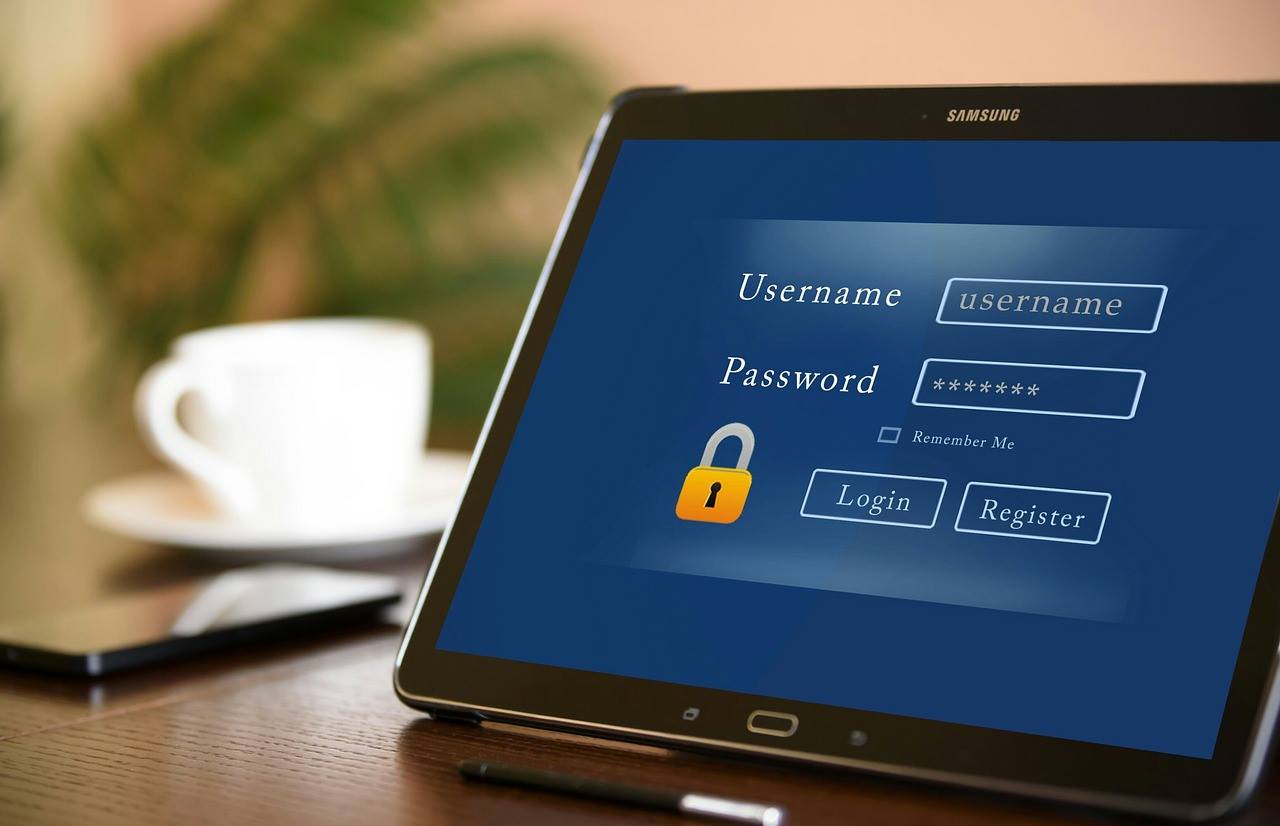
I have heard this many times over the course of the last several years: someone is experiencing a heavy DDoS attack on their website. When I ask them what type of attack they are experiencing, the answer is usually that the bad guys are sending them thousands or even millions of POST requests. When I ask where these requests are being targeted, the answer is often the sign-up or login page!
Credential stuffing attacks are not HTTP flood DDoS attacks and are much more dangerous. These attacks may cost organizations millions of dollars in data loss and reputation damage. While an HTTP flood DDoS attack floods a website with traffic, overloading and crashing the server, a credential stuffing attack is a more targeted and insidious form of cyberattack. In a credential stuffing attack, hackers use automated bots to try thousands or millions of stolen usernames and passwords on website login pages to gain unauthorized access to users’ accounts. Currently, sale of stolen credentials are one of the most profitable businesses for criminals and those credentials are being used for credential stuffing attacks.
Unlike HTTP flood DDoS attacks, which are primarily aimed at disrupting website operations, credential stuffing attacks focus on stealing sensitive data, such as personal and financial data from compromised user accounts. These attacks can have a significant impact on a company’s bottom line as it can lead to data loss, regulatory damages, and even legal liability. Credential stuffing attacks can be particularly devastating for organizations that store sensitive customer data, such as financial sector, healthcare providers, and e-commerce companies. If a hacker gains access to your account, they can steal credit card information, social security numbers, and other sensitive data.
In addition to the direct economic losses from credential stuffing attacks, there are also indirect costs such as loss of customer trust and damage to an organization’s reputation. Customers may be reluctant to do business with companies affected by high-profile data breaches, and the negative publicity associated with attacks can be difficult to overcome.
To protect against credential stuffing attacks, organizations should implement strong authentication measures such as multi-factor authentication and CAPTCHAs to prevent automated bots from gaining unauthorized access to user accounts. You should also monitor your system for signs of suspicious activity and proactively warn users of potential account compromise. A robust incident response plan should be also in place if such an incident occurs.
More from me
 Највећа безбедносна пропустност древног света: безбедносне лекције из Долине краљева
 Watering hole напади: како АПТ и сајбер криминалци инфилтрирају сигурне инфраструктуре
 Како се носити са новим техникама праћења; Зомби колачићи и Canvas отпечатци
 The end of Suhosin; what is next?
 The WAF is dead, long live the WAF!
 Параноичан или припремљен? Шпијуни на вашем столу
Објава одрицања од одговорности
Ставови, информације, или су мишљења изречена искључиво мишљења аутора и не представљају нужно ставове његовог послодавца или организација са којима је повезан.
Informacije sadržane u ovom postu služe samo u svrhe opšteg informisanja. Informacije pruža Farhad Mofidi i iako se trudi da informacije budu ažurne i tačne, on ne daje nikakve izjave ili garancije bilo koje vrste, izričite ili implicirane, u vezi sa potpunošću, tačnošću, pouzdanosti, prikladnošću ili dostupnošću veb-sajta. Farhad ne daje nikakve izjave ili garancije. o bilo kojim informacijama, proizvodima ili povezanoj grafici sadržanoj u bilo kom postu u bilo koju svrhu.
Takođe, AI može biti korišćen kao alat za davanje predloga i poboljšanje nekog sadržaja ili rečenica. Ideje, misli, mišljenja, и коначни производи су оригинални и човеком направљени од стране аутора.