Umplerea credentialelor nu este un DDoS!
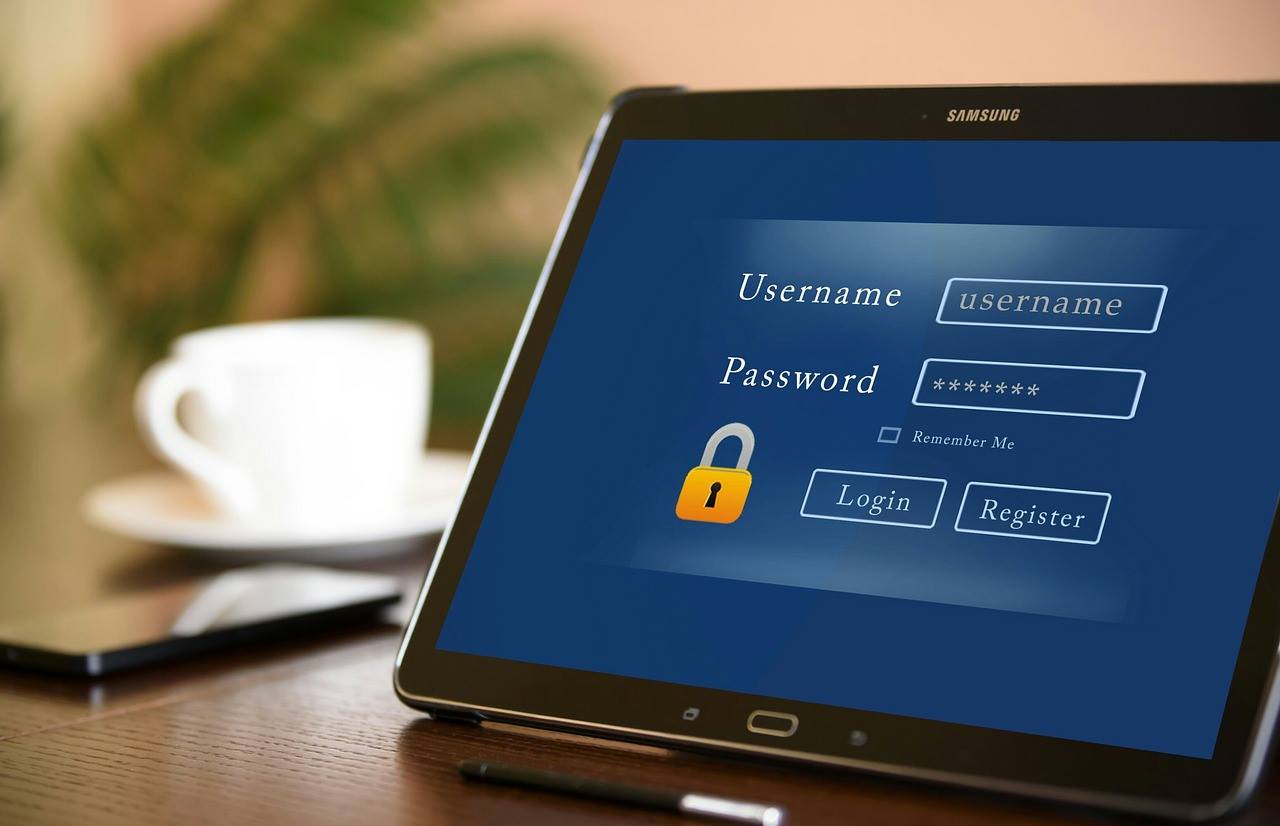
I have heard this many times over the course of the last several years: someone is experiencing a heavy DDoS attack on their website. When I ask them what type of attack they are experiencing, the answer is usually that the bad guys are sending them thousands or even millions of POST requests. When I ask where these requests are being targeted, the answer is often the sign-up or login page!
Credential stuffing attacks are not HTTP flood DDoS attacks and are much more dangerous. These attacks may cost organizations millions of dollars in data loss and reputation damage. While an HTTP flood DDoS attack floods a website with traffic, overloading and crashing the server, a credential stuffing attack is a more targeted and insidious form of cyberattack. In a credential stuffing attack, hackers use automated bots to try thousands or millions of stolen usernames and passwords on website login pages to gain unauthorized access to users’ accounts. Currently, sale of stolen credentials are one of the most profitable businesses for criminals and those credentials are being used for credential stuffing attacks.
Unlike HTTP flood DDoS attacks, which are primarily aimed at disrupting website operations, credential stuffing attacks focus on stealing sensitive data, such as personal and financial data from compromised user accounts. These attacks can have a significant impact on a company’s bottom line as it can lead to data loss, regulatory damages, and even legal liability. Credential stuffing attacks can be particularly devastating for organizations that store sensitive customer data, such as financial sector, healthcare providers, and e-commerce companies. If a hacker gains access to your account, they can steal credit card information, social security numbers, and other sensitive data.
In addition to the direct economic losses from credential stuffing attacks, there are also indirect costs such as loss of customer trust and damage to an organization’s reputation. Customers may be reluctant to do business with companies affected by high-profile data breaches, and the negative publicity associated with attacks can be difficult to overcome.
To protect against credential stuffing attacks, organizations should implement strong authentication measures such as multi-factor authentication and CAPTCHAs to prevent automated bots from gaining unauthorized access to user accounts. You should also monitor your system for signs of suspicious activity and proactively warn users of potential account compromise. A robust incident response plan should be also in place if such an incident occurs.
More from me
 Sfârșitul Suhosin; ce urmează?
 Cum să gestionezi noile tehnici de urmărire; Cookie-uri zombie și amprentarea Canvas
 Cea mai mare eroare de securitate a lumii antice: lecții de securitate din Valea Regilor
 Atacuri Watering hole: cum APT-urile și criminalii cibernetici infiltrează infrastructuri securizate
 Distrugând Barierele
 Atacuri DDoS la nivel de aplicație, și cum pot fi atenuate
Declinare de responsabilitate a postării
Opiniile, informațiile, Opiniile exprimate sunt exclusiv ale autorului și nu reprezintă neapărat opiniile angajatorului său sau ale organizațiilor cu care este afiliat.
Informațiile conținute în această postare sunt doar în scopuri generale de informare. Informațiile sunt furnizate de Farhad Mofidi și, deși el se străduiește să le mențină actuale și corecte, el nu face nicio declarație sau garanție de niciun fel, exprimată sau implicită, referitoare la completitudinea, acuratețea, fiabilitatea, potrivirea sau disponibilitatea site-ului web. Farhad nu oferă nicio declarație sau garanție. sau pentru niciun fel de informații, produse sau grafice asociate conținute în orice postare pentru niciun scop.
De asemenea, AI poate fi folosită ca instrument pentru a oferi sugestii și a îmbunătăți unele dintre conținuturi sau propoziții. Ideile, gândurile, opiniile, și produsele finale sunt originale și create de autor.