Credential stuffing não é DDoS!
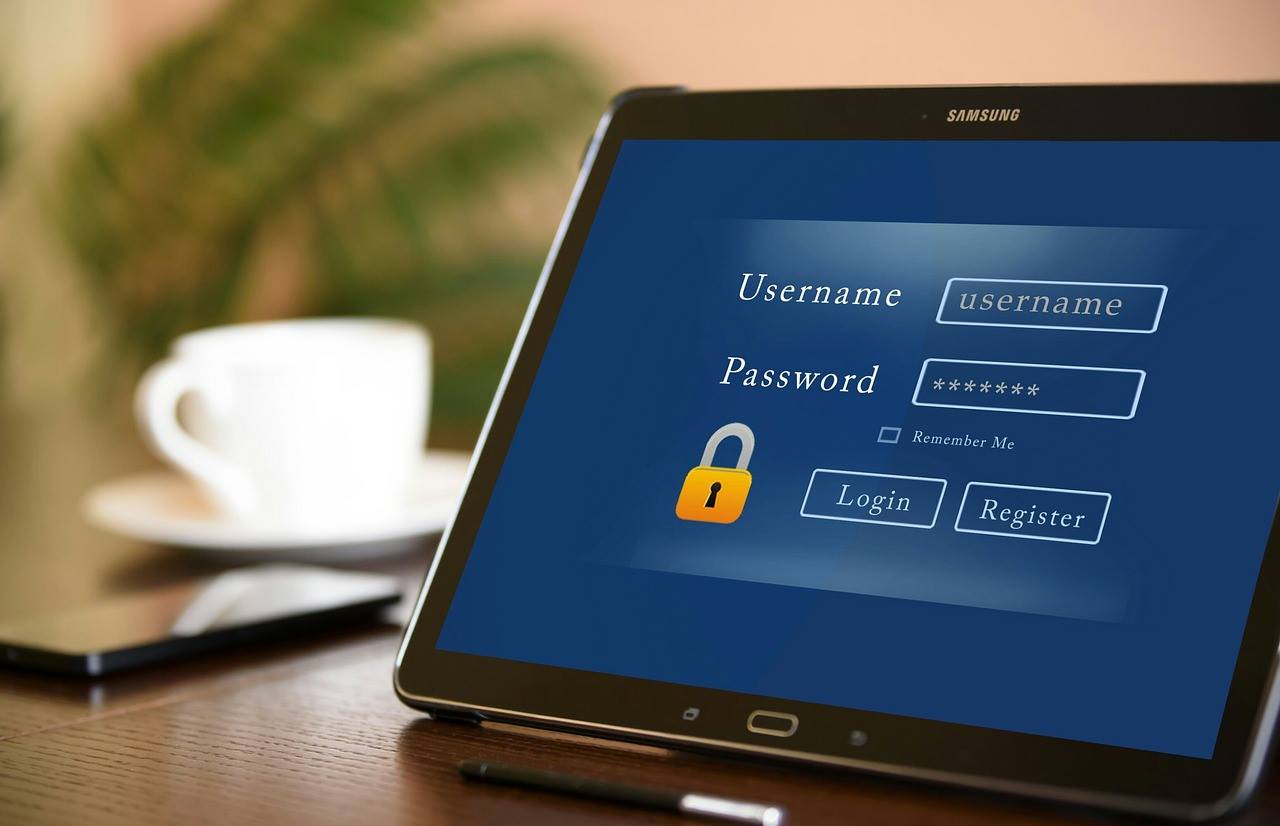
Eu ouvi isso muitas vezes ao longo dos últimos anos: alguém está passando por um ataque DDoS intenso em seu site. Quando eu pergunto a eles que tipo de ataque estão enfrentando, a resposta geralmente é que os bandidos estão enviando milhares ou até milhões de solicitações POST. When I ask where these requests are being targeted, the answer is often the sign-up or login page!
Credential stuffing attacks are not HTTP flood DDoS attacks and are much more dangerous. These attacks may cost organizations millions of dollars in data loss and reputation damage. While an HTTP flood DDoS attack floods a website with traffic, overloading and crashing the server, a credential stuffing attack is a more targeted and insidious form of cyberattack. In a credential stuffing attack, hackers use automated bots to try thousands or millions of stolen usernames and passwords on website login pages to gain unauthorized access to users’ accounts. Currently, sale of stolen credentials are one of the most profitable businesses for criminals and those credentials are being used for credential stuffing attacks.
Unlike HTTP flood DDoS attacks, which are primarily aimed at disrupting website operations, credential stuffing attacks focus on stealing sensitive data, such as personal and financial data from compromised user accounts. These attacks can have a significant impact on a company’s bottom line as it can lead to data loss, regulatory damages, and even legal liability. Credential stuffing attacks can be particularly devastating for organizations that store sensitive customer data, such as financial sector, healthcare providers, and e-commerce companies. If a hacker gains access to your account, they can steal credit card information, social security numbers, and other sensitive data.
In addition to the direct economic losses from credential stuffing attacks, there are also indirect costs such as loss of customer trust and damage to an organization’s reputation. Customers may be reluctant to do business with companies affected by high-profile data breaches, and the negative publicity associated with attacks can be difficult to overcome.
To protect against credential stuffing attacks, organizations should implement strong authentication measures such as multi-factor authentication and CAPTCHAs to prevent automated bots from gaining unauthorized access to user accounts. You should also monitor your system for signs of suspicious activity and proactively warn users of potential account compromise. A robust incident response plan should be also in place if such an incident occurs.
More from me
 A maior falha de segurança do mundo antigo: lições de segurança do Vale dos Reis
 O WAF está morto, vida longa ao WAF!
 Derrubando Barreiras
 O fim do Suhosin; o que vem a seguir?
 Ataques DDoS na camada de aplicação, e como eles podem ser mitigados
 Como conseguir um emprego de nível inicial em cibersegurança
Aviso Prévio
As opiniões, informações, ou as opiniões expressas são exclusivamente do autor e não representam necessariamente as de seu empregador ou das organizações às quais ele é afiliado.
As informações contidas neste post são apenas para fins de informação geral. As informações são fornecidas por Farhad Mofidi e enquanto ele se esforça para manter as informações atualizadas e precisas, ele não faz nenhuma representação ou garantia de qualquer tipo, expresso ou implícito, em relação à integridade, precisão, confiabilidade, adequação ou disponibilidade do site. Farhad não faz representações ou garantias. ou qualquer informação, produtos ou gráficos relacionados contidos em qualquer Post para qualquer finalidade.
Além disso, A IA pode ser empregada como uma ferramenta para fornecer sugestões e melhorar alguns dos conteúdos ou frases. As idéias, pensamentos, opiniões, e os produtos finais são originais e feitos pelo autor.