Увертарымаш фарширование нимогай DDoS .!
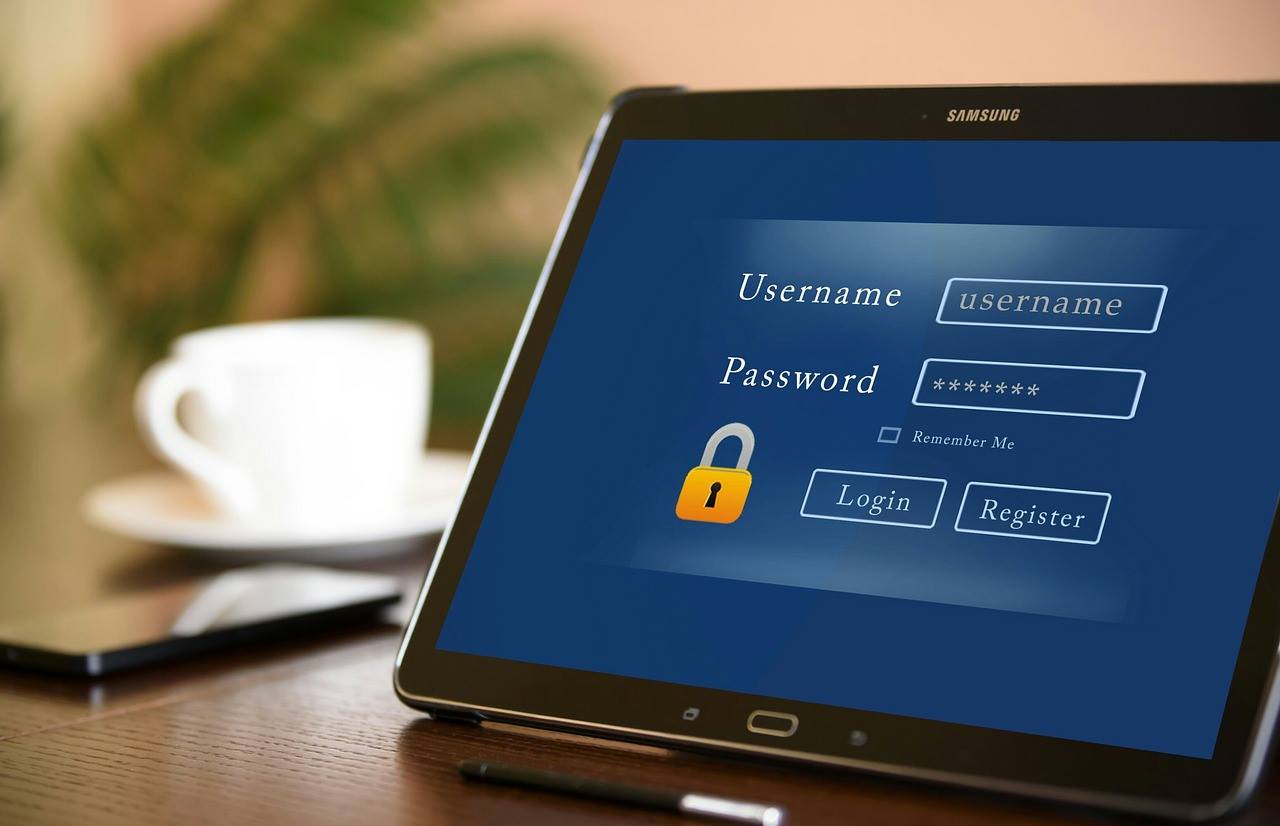
Пытартыш икмыняр ий жапыште мый тидым ятыр гана колынам: ала-кӧ шке сайтыштыже неле DDoS атакым шижеш. Кунам мый нунын деч йодам, могай атакым нуно шижыт, вашмут мӧҥгешла, осал еҥ-влак нунылан тӱжем але миллион дене POST йодмашым колтат. When I ask where these requests are being targeted, the answer is often the sign-up or login page!
Credential stuffing attacks are not HTTP flood DDoS attacks and are much more dangerous. These attacks may cost organizations millions of dollars in data loss and reputation damage. While an HTTP flood DDoS attack floods a website with traffic, overloading and crashing the server, a credential stuffing attack is a more targeted and insidious form of cyberattack. In a credential stuffing attack, hackers use automated bots to try thousands or millions of stolen usernames and passwords on website login pages to gain unauthorized access to users’ accounts. Currently, sale of stolen credentials are one of the most profitable businesses for criminals and those credentials are being used for credential stuffing attacks.
Unlike HTTP flood DDoS attacks, which are primarily aimed at disrupting website operations, credential stuffing attacks focus on stealing sensitive data, such as personal and financial data from compromised user accounts. These attacks can have a significant impact on a company’s bottom line as it can lead to data loss, regulatory damages, and even legal liability. Credential stuffing attacks can be particularly devastating for organizations that store sensitive customer data, such as financial sector, healthcare providers, and e-commerce companies. If a hacker gains access to your account, they can steal credit card information, social security numbers, and other sensitive data.
In addition to the direct economic losses from credential stuffing attacks, there are also indirect costs such as loss of customer trust and damage to an organization’s reputation. Customers may be reluctant to do business with companies affected by high-profile data breaches, and the negative publicity associated with attacks can be difficult to overcome.
To protect against credential stuffing attacks, organizations should implement strong authentication measures such as multi-factor authentication and CAPTCHAs to prevent automated bots from gaining unauthorized access to user accounts. You should also monitor your system for signs of suspicious activity and proactively warn users of potential account compromise. A robust incident response plan should be also in place if such an incident occurs.
More from me
 The end of Suhosin; what is next?
 Параноидный але ямдылыме .? Тендан ӱстел ӱмбалне шпион-влак .
 How to deal with new tracking techniques; Zombie cookies and Canvas fingerprinting
 The WAF is dead, long live the WAF!
 Кузе мланде тӱҥалтыш кӱкшытыштӧ кибербезопасность паша .
 Йодмашым пуымо лончо DDoS атакыш ., да кузе нуным луштараш лиеш
Пост деч кораҥмаш
Ончалаш, Информаций, але шонымаш-влак гына авторын улыт да тудын пашадарже але организацийже-влакын тудын дене кылдалтше организаций-влакын представительышт улыт.
Тиде постышто улшо информаций тыглай информаций цель дене гына. Информаций пуалтеш Фархад Мофиди да тудо жапыште тырша, информаций кызытсе да чын кучаш манын ., тудо нимогай представленийым але гарантийым ок ыште ., экспресс але умылтарен, тичмашлык шотышто ., тӱрыс, ӱшанле, келшен толмо але доступен веб-сайт .. Фархад нимогай представленийым але гарантийым ышта. але иктаж-могай информаций, продукт але кылдалтше графике, кеч-могай Пост кеч-могай цель дене ..
Ошондой эле, АИ пашам ыштен кертеш ӱзгар семын темлымашым пуаш да икмыняр содержанийым але предложенийым саемдаш .. Ой-влак, шонен, шонымаш, да пытартыш продукцийым оригинальный да айдеме ыштен автор ..