Ишеним грамоталык толтуруу DDOS эмес!
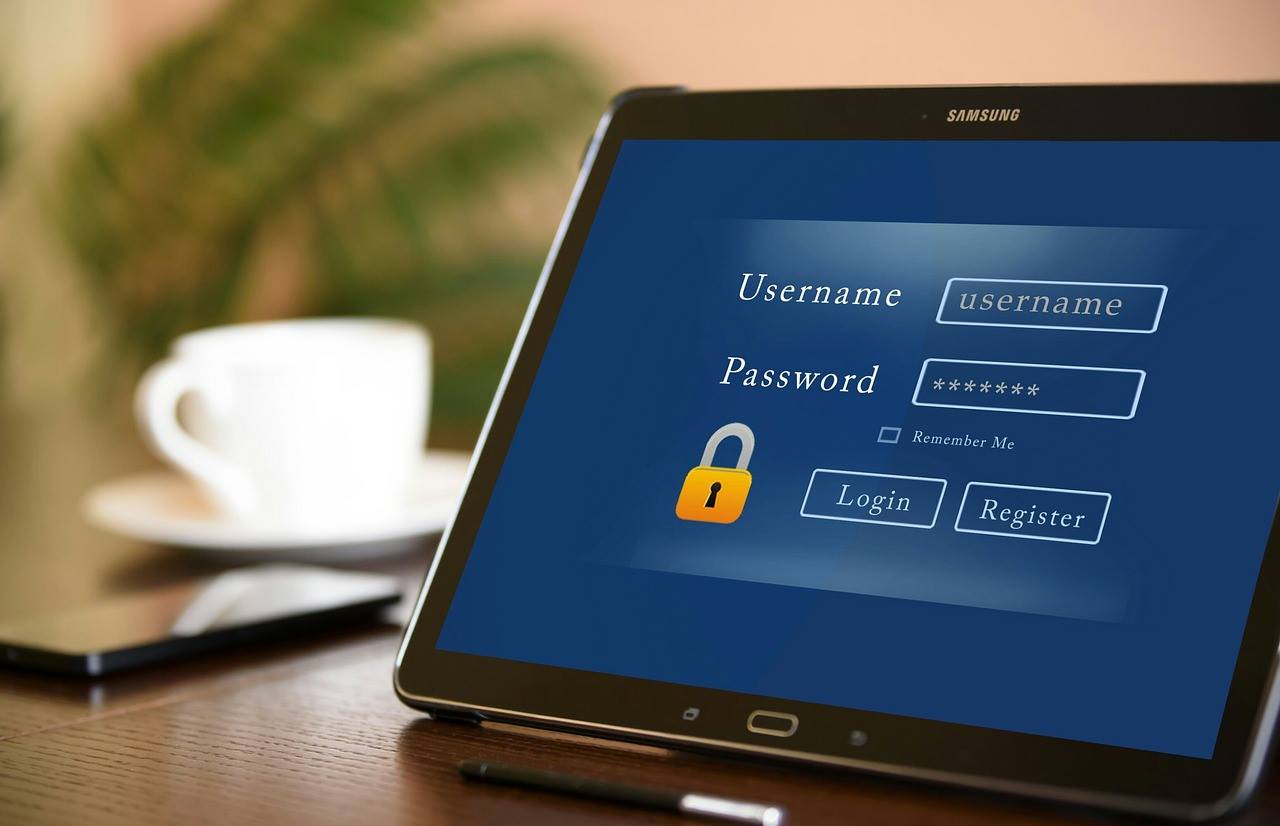
Мен муну акыркы бир нече жылда көп жолу уктум: кимдир бирөө өз веб-сайтында оор DDoS чабуулуна туш болуп жатат. Мен алардан кандай кол салуу болуп жатканын сурасам, жооп, адатта, жаман балдар аларга миңдеген, атүгүл миллиондогон POST өтүнүчтөрүн жөнөтүшөт. When I ask where these requests are being targeted, the answer is often the sign-up or login page!
Credential stuffing attacks are not HTTP flood DDoS attacks and are much more dangerous. These attacks may cost organizations millions of dollars in data loss and reputation damage. While an HTTP flood DDoS attack floods a website with traffic, overloading and crashing the server, a credential stuffing attack is a more targeted and insidious form of cyberattack. In a credential stuffing attack, hackers use automated bots to try thousands or millions of stolen usernames and passwords on website login pages to gain unauthorized access to users’ accounts. Currently, sale of stolen credentials are one of the most profitable businesses for criminals and those credentials are being used for credential stuffing attacks.
Unlike HTTP flood DDoS attacks, which are primarily aimed at disrupting website operations, credential stuffing attacks focus on stealing sensitive data, such as personal and financial data from compromised user accounts. These attacks can have a significant impact on a company’s bottom line as it can lead to data loss, regulatory damages, and even legal liability. Credential stuffing attacks can be particularly devastating for organizations that store sensitive customer data, such as financial sector, healthcare providers, and e-commerce companies. If a hacker gains access to your account, they can steal credit card information, social security numbers, and other sensitive data.
In addition to the direct economic losses from credential stuffing attacks, there are also indirect costs such as loss of customer trust and damage to an organization’s reputation. Customers may be reluctant to do business with companies affected by high-profile data breaches, and the negative publicity associated with attacks can be difficult to overcome.
To protect against credential stuffing attacks, organizations should implement strong authentication measures such as multi-factor authentication and CAPTCHAs to prevent automated bots from gaining unauthorized access to user accounts. You should also monitor your system for signs of suspicious activity and proactively warn users of potential account compromise. A robust incident response plan should be also in place if such an incident occurs.
More from me
 WAF өлдү, жашасын WAF!
 Кирүү деңгээлиндеги кемчилиги жумушка орношууга болот
 Тоскоолдуктарды бузуу
 Жаңы көз салуу ыкмалары менен кантип күрөшүү керек; Зомби кукилери жана Canvas манжа изин алуу
 Сугаруу чабуулун сугаруу: Коопсуз инфраструктураларды канчалык деңгээлде жана кибер кылмышкерлер кандайча ичишкен
 Сухосиндин аягы; кийинки эмне?
Жоопкерчиликтен баш тартуу
көз караштар, маалымат, же айтылган ой-пикирлер автордун гана ой-пикири болуп саналат жана сөзсүз түрдө анын иш берүүчүсүн же ал байланышы бар уюмдарды билдирбейт..
Бул билдирүүдө камтылган маалымат жалпы маалымат үчүн гана. Маалыматты Фархад Мофиди берет жана ал маалыматты актуалдуу жана так сактоого аракет кылат, ал эч кандай билдирүүлөрдү же кепилдиктерди бербейт, ачык же кыйыр түрдө, толуктугу жөнүндө, тактык, ишенимдүүлүк, веб-сайттын ылайыктуулугу же жеткиликтүүлүгү. Фархад эч кандай билдирүү же кепилдик бербейт. же кандайдыр бир маалымат, ар кандай максаттар үчүн каалаган Постто камтылган өнүмдөр же тиешелүү графика.
Ошондой эле, AI сунуштарды берүү жана айрым мазмунду же сүйлөмдөрдү жакшыртуу үчүн курал катары колдонулушу мүмкүн. идеялар, ойлор, пикирлер, жана акыркы буюмдар автор тарабынан оригиналдуу жана адам тарабынан жасалган.