Persónuskilríkjafylling er engin DDoS!
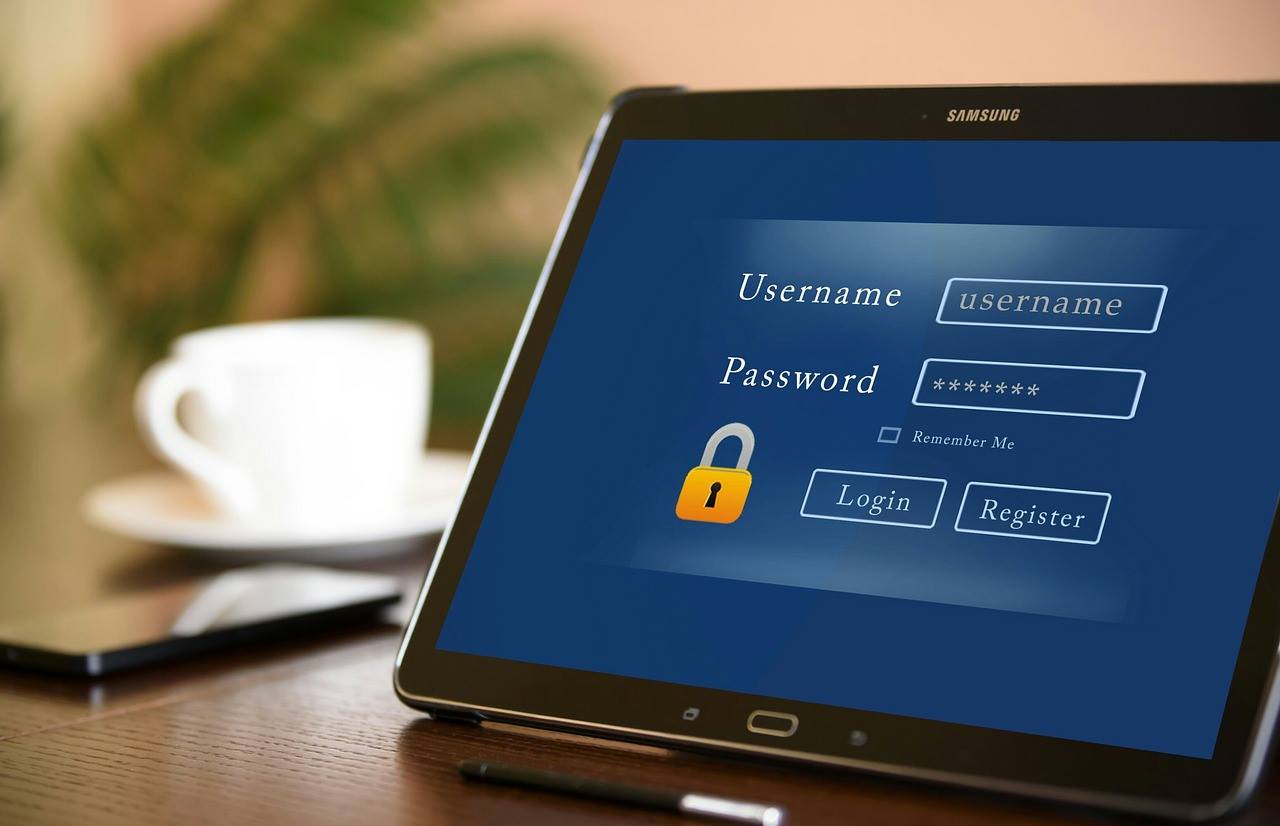
ég hef heyrt þetta mörgum sinnum á síðustu árum: eitthver er að upplifa alvarlega DDoS-árás á vefsíðu sinni. Þegar ég spyr þá hvaða tegund árásar þeir eru að upplifa, er svarið yfirleitt að vondir aðilar séu að senda þeim þúsundir eða jafnvel milljónir POST beiðna. When I ask where these requests are being targeted, the answer is often the sign-up or login page!
Credential stuffing attacks are not HTTP flood DDoS attacks and are much more dangerous. These attacks may cost organizations millions of dollars in data loss and reputation damage. While an HTTP flood DDoS attack floods a website with traffic, overloading and crashing the server, a credential stuffing attack is a more targeted and insidious form of cyberattack. In a credential stuffing attack, hackers use automated bots to try thousands or millions of stolen usernames and passwords on website login pages to gain unauthorized access to users’ accounts. Currently, sale of stolen credentials are one of the most profitable businesses for criminals and those credentials are being used for credential stuffing attacks.
Unlike HTTP flood DDoS attacks, which are primarily aimed at disrupting website operations, credential stuffing attacks focus on stealing sensitive data, such as personal and financial data from compromised user accounts. These attacks can have a significant impact on a company’s bottom line as it can lead to data loss, regulatory damages, and even legal liability. Credential stuffing attacks can be particularly devastating for organizations that store sensitive customer data, such as financial sector, healthcare providers, and e-commerce companies. If a hacker gains access to your account, they can steal credit card information, social security numbers, and other sensitive data.
In addition to the direct economic losses from credential stuffing attacks, there are also indirect costs such as loss of customer trust and damage to an organization’s reputation. Customers may be reluctant to do business with companies affected by high-profile data breaches, and the negative publicity associated with attacks can be difficult to overcome.
To protect against credential stuffing attacks, organizations should implement strong authentication measures such as multi-factor authentication and CAPTCHAs to prevent automated bots from gaining unauthorized access to user accounts. You should also monitor your system for signs of suspicious activity and proactively warn users of potential account compromise. A robust incident response plan should be also in place if such an incident occurs.






Frádráttur staðhæfingar
Hugmyndir, upplýsingar, eða skoðanir sem koma fram eru eingöngu á ábyrgð höfundar og endurspegla ekki endilega skoðanir vinnuveitanda hans eða þeirra stofnana sem hann er tengdur.
Upplýsingarnar sem fram koma í þessari færslu eru eingöngu til almennrar fróðleiksupplýsingar. Upplýsingarnar eru veittar af Farhad Mofidi og þrátt fyrir að hann leitist við að halda upplýsingunum uppfærðum og nákvæmum, gera hann engar fullyrðingar eða ábyrgðaryfirlýsingar af neinu tagi, bein eða falin, varðandi fullkomleika, nákvæmni, áreiðanleika, hentugleika eða aðgengi vefsíðunnar. Farhad gerir engar fullyrðingar eða ábyrgðaryfirlýsingar. eða um neinar upplýsingar, vörur eða tengd grafík sem finnst í hvaða færslu sem er til hvaða tilgangs sem er.
Einnig, AI má nota sem verkfæri til að gefa tillögur og bæta sumt efni eða setningar. Hugmyndir, hugsanir, skoðanir, og endanlegar vörur eru upprunalegar og mannanna verk eftir höfundinn.