Hitelesítő adatok tömeges próbálgatása nem DDoS!
Ezt az elmúlt néhány év során sokszor hallottam: valaki súlyos DDoS támadást tapasztal a weboldalán. Amikor megkérdezem tőlük, hogy milyen típusú támadást tapasztalnak, a válasz általában az, hogy a rosszfiúk ezreit vagy akár millióit küldik POST kérésekben. When I ask where these requests are being targeted, the answer is often the sign-up or login page!
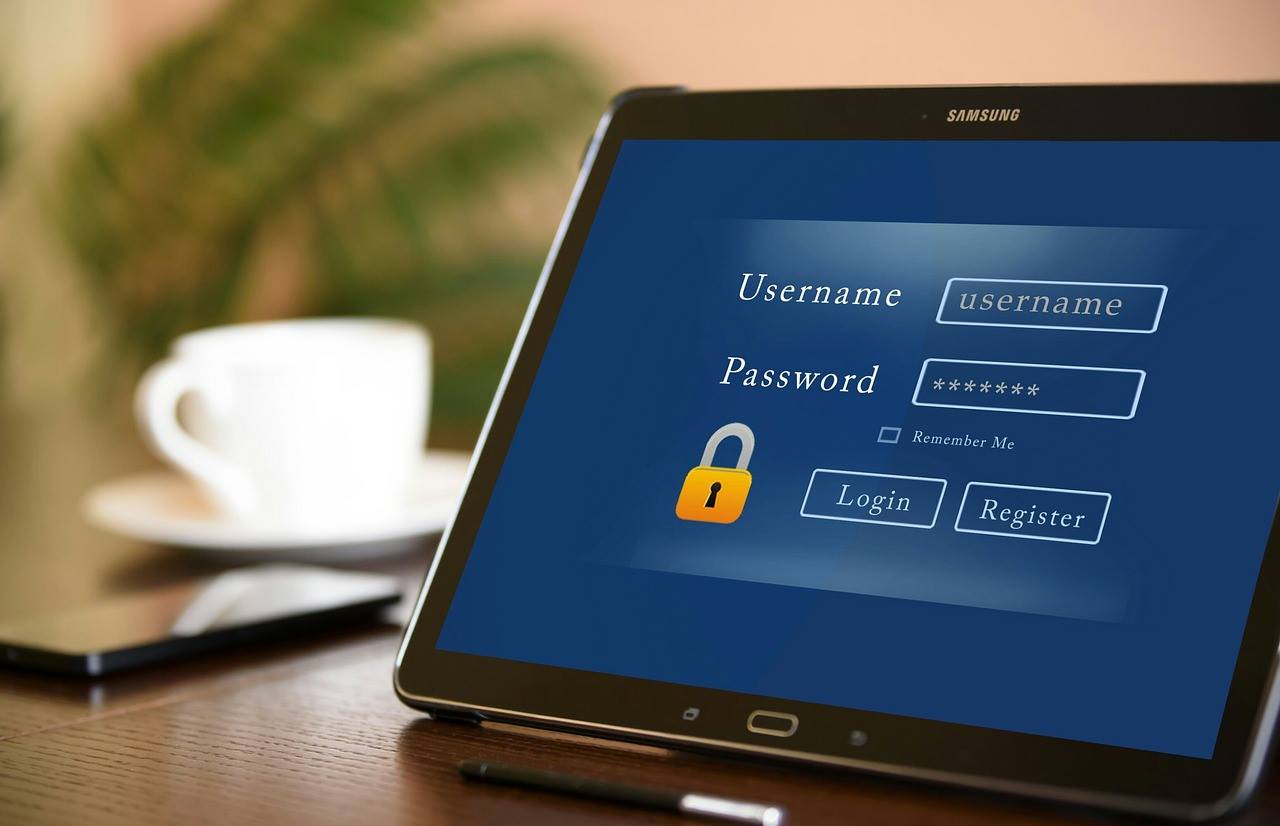
Credential stuffing attacks are not HTTP flood DDoS attacks and are much more dangerous. These attacks may cost organizations millions of dollars in data loss and reputation damage. While an HTTP flood DDoS attack floods a website with traffic, overloading and crashing the server, a credential stuffing attack is a more targeted and insidious form of cyberattack. In a credential stuffing attack, hackers use automated bots to try thousands or millions of stolen usernames and passwords on website login pages to gain unauthorized access to users’ accounts. Currently, sale of stolen credentials are one of the most profitable businesses for criminals and those credentials are being used for credential stuffing attacks.
Unlike HTTP flood DDoS attacks, which are primarily aimed at disrupting website operations, credential stuffing attacks focus on stealing sensitive data, such as personal and financial data from compromised user accounts. These attacks can have a significant impact on a company’s bottom line as it can lead to data loss, regulatory damages, and even legal liability. Credential stuffing attacks can be particularly devastating for organizations that store sensitive customer data, such as financial sector, healthcare providers, and e-commerce companies. If a hacker gains access to your account, they can steal credit card information, social security numbers, and other sensitive data.
In addition to the direct economic losses from credential stuffing attacks, there are also indirect costs such as loss of customer trust and damage to an organization’s reputation. Customers may be reluctant to do business with companies affected by high-profile data breaches, and the negative publicity associated with attacks can be difficult to overcome.
To protect against credential stuffing attacks, organizations should implement strong authentication measures such as multi-factor authentication and CAPTCHAs to prevent automated bots from gaining unauthorized access to user accounts. You should also monitor your system for signs of suspicious activity and proactively warn users of potential account compromise. A robust incident response plan should be also in place if such an incident occurs.
More from me
 Hogyan szerezzünk kezdő szintű kiberbiztonsági állást
 The end of Suhosin; what is next?
 How to deal with new tracking techniques; Zombie cookies and Canvas fingerprinting
 Breaking Down Barriers
 Paranoiás vagy felkészült? A kémek az asztalodon
 Watering hole támadások: hogyan hatolnak be az APT-k és a számítógépes bűnözők a biztonságos infrastruktúrákba
Bejegyzés nyilatkozat
A nézetek, információk, vagy vélemények kizárólag a szerzőé, és nem feltétlenül tükrözik a munkaadója vagy azoknak a szervezeteknek a véleményét, amelyekkel kapcsolatban áll.
A bejegyzésben szereplő információk kizárólag általános tájékoztatási célokat szolgálnak. Az információkat Farhad Mofidi szolgáltatja, és miközben igyekszik naprakészen és pontosan tartani az adatokat, nem vállal semmiféle nyilatkozatot vagy garanciát sem, kifejezetten, sem ráutalólegesen, a weboldal teljességére, pontosságára, megbízhatóságára, alkalmasságára vagy elérhetőségére vonatkozóan. Farhad semmilyen nyilatkozatot vagy garanciát nem vállal. semmilyen információ tekintetében, termékek vagy azzal kapcsolatos grafikai elemek, amelyek bármilyen bejegyzésben szerepelnek bármilyen célra.
Továbbá, A mesterséges intelligencia eszközként használható javaslatok adására és bizonyos tartalmak vagy mondatok javítására. Az ötletek, gondolatok, vélemények, és a végső termékek eredetiek, és az alkotó által, emberi módon készültek.