Ranpli kredansyèl se pa yon DDoS!
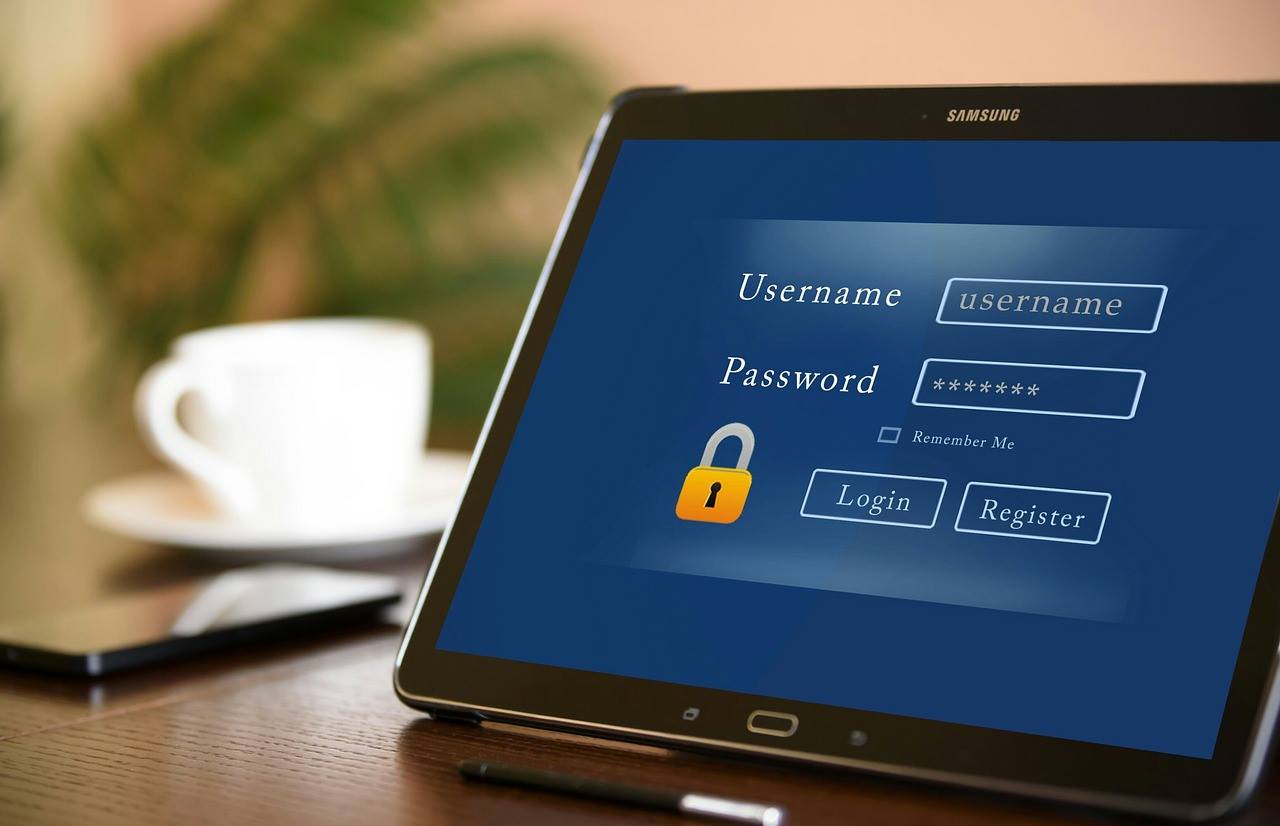
I have heard this many times over the course of the last several years: someone is experiencing a heavy DDoS attack on their website. When I ask them what type of attack they are experiencing, the answer is usually that the bad guys are sending them thousands or even millions of POST requests. When I ask where these requests are being targeted, the answer is often the sign-up or login page!
Credential stuffing attacks are not HTTP flood DDoS attacks and are much more dangerous. These attacks may cost organizations millions of dollars in data loss and reputation damage. While an HTTP flood DDoS attack floods a website with traffic, overloading and crashing the server, a credential stuffing attack is a more targeted and insidious form of cyberattack. In a credential stuffing attack, hackers use automated bots to try thousands or millions of stolen usernames and passwords on website login pages to gain unauthorized access to users’ accounts. Currently, sale of stolen credentials are one of the most profitable businesses for criminals and those credentials are being used for credential stuffing attacks.
Unlike HTTP flood DDoS attacks, which are primarily aimed at disrupting website operations, credential stuffing attacks focus on stealing sensitive data, such as personal and financial data from compromised user accounts. These attacks can have a significant impact on a company’s bottom line as it can lead to data loss, regulatory damages, and even legal liability. Credential stuffing attacks can be particularly devastating for organizations that store sensitive customer data, such as financial sector, healthcare providers, and e-commerce companies. If a hacker gains access to your account, they can steal credit card information, social security numbers, and other sensitive data.
In addition to the direct economic losses from credential stuffing attacks, there are also indirect costs such as loss of customer trust and damage to an organization’s reputation. Customers may be reluctant to do business with companies affected by high-profile data breaches, and the negative publicity associated with attacks can be difficult to overcome.
To protect against credential stuffing attacks, organizations should implement strong authentication measures such as multi-factor authentication and CAPTCHAs to prevent automated bots from gaining unauthorized access to user accounts. You should also monitor your system for signs of suspicious activity and proactively warn users of potential account compromise. A robust incident response plan should be also in place if such an incident occurs.
More from me
 WAF la mouri, Viv WAF la!
 How to deal with new tracking techniques; Zombie cookies and Canvas fingerprinting
 Application layer DDoS attacks, and how they can be mitigated
 Atak twou dlo: kijan APT ak kriminèl kibernetik rantre nan enfrastrikti ki an sekirite
 Paranoid oswa Pare? Espyon yo nan biwo w
 Breaking Down Barriers
Disklame Pòs la
Opinyon, enfòmasyon, oswa lide yo eksprime yo se sèlman sa otè a panse epi yo pa nesesèman reprezante sa anplwayè li oswa òganizasyon li asosye yo panse.
Enfòmasyon ki nan pòs sa a se pou objektif enfòmasyon jeneral sèlman. Enfòmasyon yo bay pa Farhad Mofidi e pandan li fè efò pou kenbe enfòmasyon yo ajou ak egzat, li pa fè okenn deklarasyon oswa garanti de okenn kalite, eksprime oswa sou-entandu, konsènan konplè,, egzak,, fyab,, apwopriye oswa disponiblite sit wèb la. Farhad pa fè okenn deklarasyon oswa garanti. oswa nenpòt enfòmasyon, pwodwi oswa grafik ki gen rapò ki genyen nan nenpòt ki pòs pou nenpòt ki rezon.
Epitou, AI ka itilize kòm yon zouti bay sijesyon ak amelyore kèk nan sa ki nan sa yo oswa fraz. Lide yo, panse, opinyon, ak pwodwi final yo se orijinal ak moun ki fèt pa otè a.