Punjenje vjerodajnica nije DDoS!
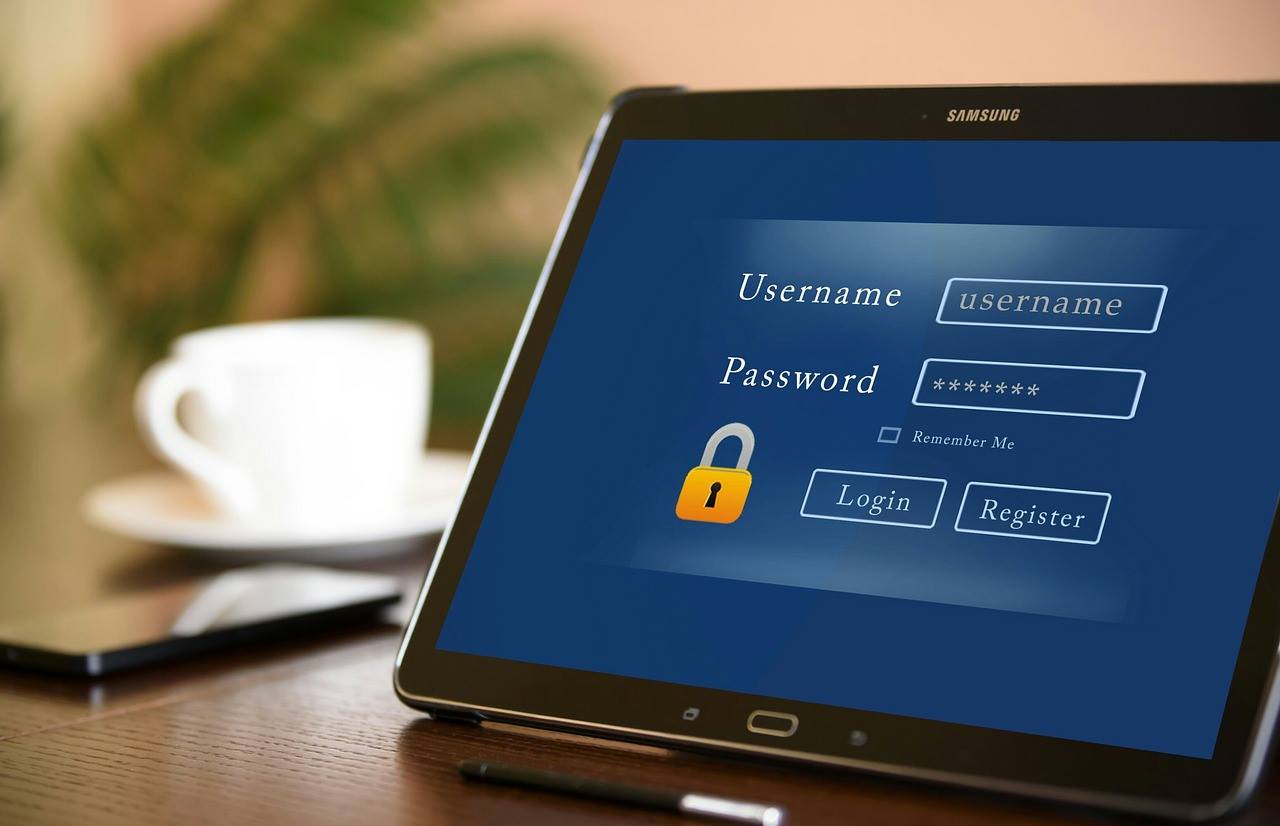
To sam čuo mnogo puta tijekom posljednjih nekoliko godina: netko doživljava snažan DDoS napad na svoju web stranicu. Kad ih pitam kakvu vrstu napada doživljavaju, odgovor je obično da im loši momci šalju tisuće ili čak milijune POST zahtjeva. When I ask where these requests are being targeted, the answer is often the sign-up or login page!
Credential stuffing attacks are not HTTP flood DDoS attacks and are much more dangerous. These attacks may cost organizations millions of dollars in data loss and reputation damage. While an HTTP flood DDoS attack floods a website with traffic, overloading and crashing the server, a credential stuffing attack is a more targeted and insidious form of cyberattack. In a credential stuffing attack, hackers use automated bots to try thousands or millions of stolen usernames and passwords on website login pages to gain unauthorized access to users’ accounts. Currently, sale of stolen credentials are one of the most profitable businesses for criminals and those credentials are being used for credential stuffing attacks.
Unlike HTTP flood DDoS attacks, which are primarily aimed at disrupting website operations, credential stuffing attacks focus on stealing sensitive data, such as personal and financial data from compromised user accounts. These attacks can have a significant impact on a company’s bottom line as it can lead to data loss, regulatory damages, and even legal liability. Credential stuffing attacks can be particularly devastating for organizations that store sensitive customer data, such as financial sector, healthcare providers, and e-commerce companies. If a hacker gains access to your account, they can steal credit card information, social security numbers, and other sensitive data.
In addition to the direct economic losses from credential stuffing attacks, there are also indirect costs such as loss of customer trust and damage to an organization’s reputation. Customers may be reluctant to do business with companies affected by high-profile data breaches, and the negative publicity associated with attacks can be difficult to overcome.
To protect against credential stuffing attacks, organizations should implement strong authentication measures such as multi-factor authentication and CAPTCHAs to prevent automated bots from gaining unauthorized access to user accounts. You should also monitor your system for signs of suspicious activity and proactively warn users of potential account compromise. A robust incident response plan should be also in place if such an incident occurs.
More from me
 DDoS napadi aplikacijskog sloja, i kako se mogu ublažiti
 Watering hole napadi: kako APT i cyber kriminalci infiltriraju sigurne infrastrukture
 Kako dobiti posao u području kibernetičke sigurnosti na početnoj razini
 Kako se nositi s novim tehnikama praćenja; Zombi kolačići i canvas uzimanje otisaka prstiju
 WAF je mrtav, živio WAF!
 Paranoičan ili pripremljen? Špijuni na vašem stolu
Ograda nakon objave
Mišljenja, informacije, ili su mišljenja izražena isključivo autorova i ne predstavljaju nužno stavove njegovog poslodavca ili organizacija s kojima je povezan.
Informacije sadržane u ovom postu služe samo u svrhu općih informacija. Informacije pruža Farhad Mofidi i iako se trudi održavati informacije ažurnima i točnima, ne daje nikakve izjave ili jamstva bilo koje vrste, izričita ili implicirana, u pogledu cjelovitosti, točnosti, pouzdanosti, prikladnosti ili dostupnosti web stranice. Farhad ne daje nikakve izjave niti jamstva. niti o bilo kojoj informaciji, proizvodi ili povezane grafike sadržane u bilo kojem objavi u bilo koju svrhu.
Također, AI se može koristiti kao alat za pružanje prijedloga i poboljšanje dijelova sadržaja ili rečenica. Ideje, misli, mišljenja, i konačni proizvodi su originalni i izrađeni od strane autora.