Credential stuffing is no DDoS!
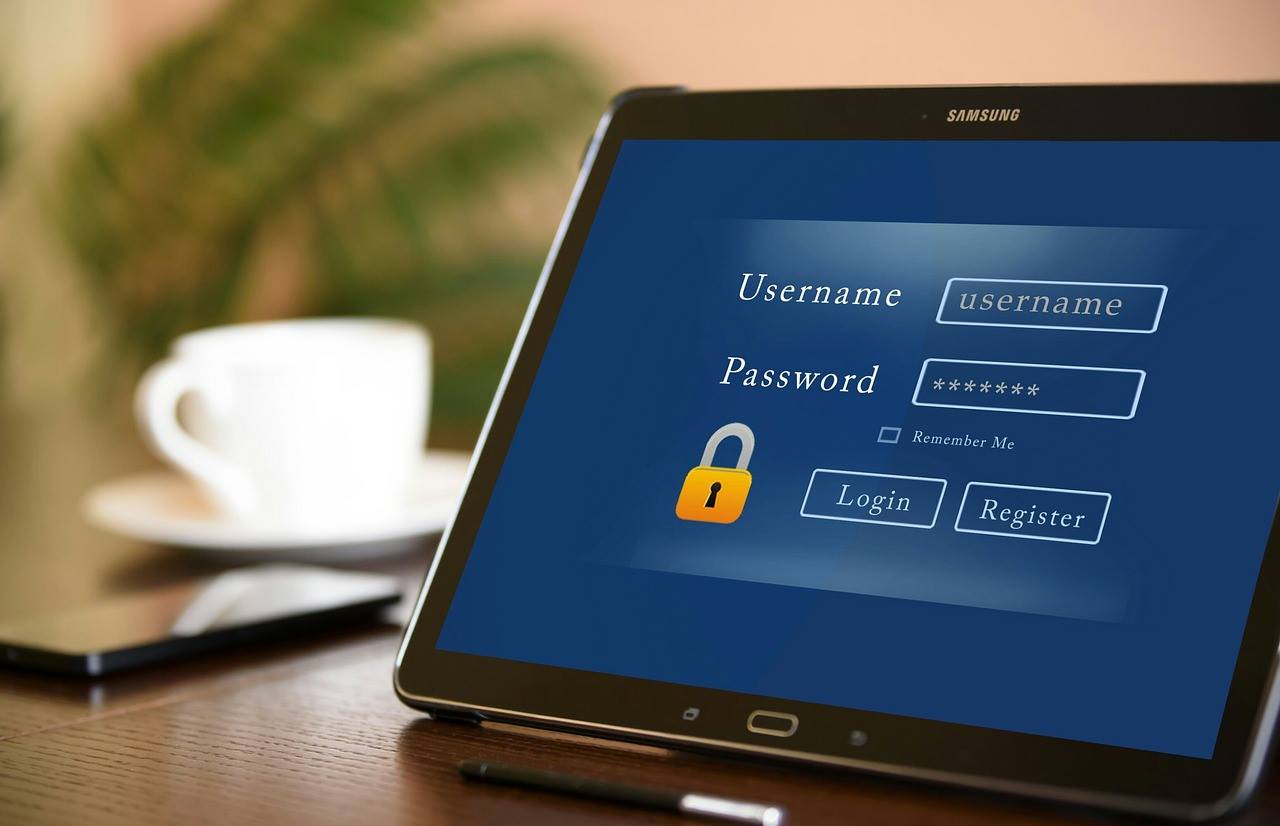
Au sa rogoca tiko oqo vakalevu ena loma ni yabaki sa oti: e dua e sotava tiko e dua na vakavulewa levu ni DDoS ena nodrau website. Ni'u tarogi koya na kena leqa ni vakawati vakaevei na kena sotavi, na isau e dau vakamacalataki ni na vakayacori vei ira na ca e vakauta vei ira e vaqa na liba se milioni ni POST requests. When I ask where these requests are being targeted, the answer is often the sign-up or login page!
Credential stuffing attacks are not HTTP flood DDoS attacks and are much more dangerous. These attacks may cost organizations millions of dollars in data loss and reputation damage. While an HTTP flood DDoS attack floods a website with traffic, overloading and crashing the server, a credential stuffing attack is a more targeted and insidious form of cyberattack. In a credential stuffing attack, hackers use automated bots to try thousands or millions of stolen usernames and passwords on website login pages to gain unauthorized access to users’ accounts. Currently, sale of stolen credentials are one of the most profitable businesses for criminals and those credentials are being used for credential stuffing attacks.
Unlike HTTP flood DDoS attacks, which are primarily aimed at disrupting website operations, credential stuffing attacks focus on stealing sensitive data, such as personal and financial data from compromised user accounts. These attacks can have a significant impact on a company’s bottom line as it can lead to data loss, regulatory damages, and even legal liability. Credential stuffing attacks can be particularly devastating for organizations that store sensitive customer data, such as financial sector, healthcare providers, and e-commerce companies. If a hacker gains access to your account, they can steal credit card information, social security numbers, and other sensitive data.
In addition to the direct economic losses from credential stuffing attacks, there are also indirect costs such as loss of customer trust and damage to an organization’s reputation. Customers may be reluctant to do business with companies affected by high-profile data breaches, and the negative publicity associated with attacks can be difficult to overcome.
To protect against credential stuffing attacks, organizations should implement strong authentication measures such as multi-factor authentication and CAPTCHAs to prevent automated bots from gaining unauthorized access to user accounts. You should also monitor your system for signs of suspicious activity and proactively warn users of potential account compromise. A robust incident response plan should be also in place if such an incident occurs.
More from me
 How to land an entry level cybersecurity job
 Voroki ni iLati
 iWalewale ni kena walii na iwalewale vou ni kena vakadikevi; Cookies ni Veikauqaqa kei na iYagavulu ni Yavaqaso
 Vakavakarau ni DDoS ni porokaramu ni lvayala, kei na kena rawa ni vakayacori kina na tosoi
 Na icavacava kei Suhosin; na cava e tarava?
 Watering hole attacks: how APT and cyber criminals infiltrate secure infrastructures
Vosa ni Tukutuku
Na rai, information, se nanuma e tukuna e tiko ga vei na tusitala ka sega ni dau vakadeitaka na veiqaravi ni nona cakacaka se na vei wase ni matanitu e veiqaravi kina.
Na itukutuku e tu ena tikina qo e baleta ga na itukutuku vakalevu. Na itukutuku e solia o Farhad Mofidi ka ni sa saga me tauri vakakina na itukutuku me bau cecere ka donu, e sega ni solia na vakaraitaki se ivakadei ni ka vakaevei, vakadua se vakavinakati, me baleta na kena ituvatuva kecega, i vakamacala dina, vakadeitaki, tuvatuva se rawarawa ni icurucuru ni website. E sega ni solia o Farhad na vakaraitaki se ivakadei. se vei itukutuku e so, ivoli se iyaloyalo veisemati e tiko ena dua na Post me baleta na inaki cava ga.
Talega, E rawa ni vakayagataki na AI me dua na iyaya ni cakacaka me vakarautaka na vakatutu ka vakatorocaketaka eso na lewe se iyatuvosa. Na vakasama, vakasama, vakasama, kei na iotioti ni iyaya era taumada ka cakava vakatamata mai vua na dauvola.