La plej granda sekurecfiasko de la antikva mondo: sekurecaj lecionoj de la Valo de la Reĝoj
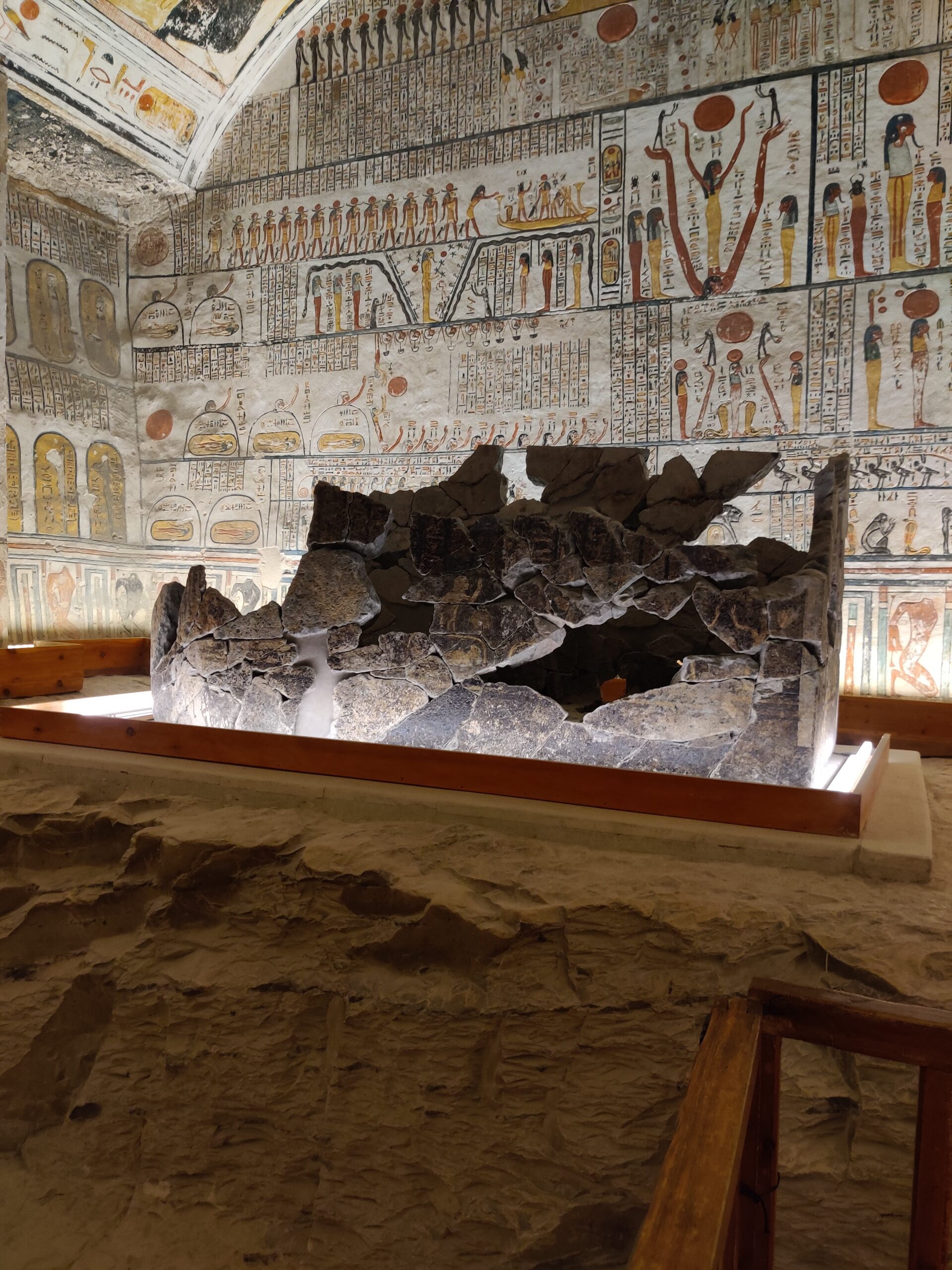
Danke al la longaj jarfinkluzivaj ferioj de Mastercard (ni havas 25 tage!) Mi faris du-semajnan vojaĝon al Egipto frue ĉi-monate por viziti lokon, kiun mi ĉiam volis vidi: la enterigajn tombojn de la antikvaj faraonoj en la Valo de la Reĝoj. Kiel sekurec-inĝeniero, Mi ne povis ne rigardi ĉi tiujn tombojn kiel antikvan sekurecan programon kaj kiel kazo-studon pri kiel defendoj povas malsukcesi kun la tempo.
Antikva Egipto lasis post si pli da artefaktoj ol plej multaj aliaj antikvaj kulturoj. Unu kialo estas, ke la egiptoj, precipe iliaj reĝoj, estis profunde fokusitaj pri morto kaj postvivo kun siaj fizikaj korpoj. Ili kredis, ke la korpo devas esti konservata (mumifikita) so the king could continue his journey after death and become a god! Because Egyptians invested so much in funerary goods and mummification, many objects survived at least until tomb raiders found some of them.
A brief look at the tomb of Tutankhamun (KV62) which was discovered in the early 20th century, shows what might have been placed in other royal tombs. It was one of the few royal tombs not fully looted in ancient times. It contained hundreds of kilograms of gold and many other treasures from over 3,300 years ago.
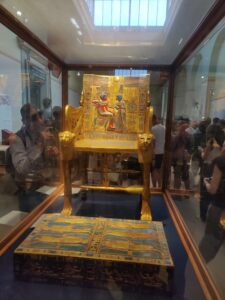
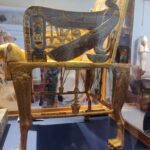
Golden Throne of Tutankhamun was found in his burial chamber by archaeologist Howard Carter in 1922
From obvious pyramids to hidden tombs
In the Old and Middle Kingdoms, kings built pyramids as burial placements. These monuments were easy to see, which also made them easy to target. Even though they used blocking stones and other tricks, many were robbed. Later, in the New Kingdom (about 3,500 years ago) pharaohs moved to a new model: security by obscurity. They saw what happened to the pyramids of their predecessors, so they chose a remote valley on the west bank of the Nile, near today’s Luxor, and dug hidden tombs into the rock. They built and isolated a workmen’s village, Deir el‑Medina, to keep the location and details secret. For about 500 years, this village produced the tombs of new pharaohs.
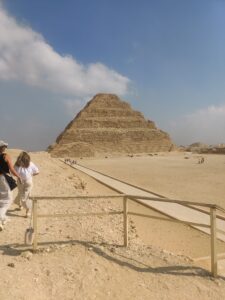
The Pyramid of Djoser is considered the first pyramid ever built approximately 4,700 years ago.
These tombs were essential. The dead needed their mummified body, objects, offerings, and guides like the Book of the Dead to reach Osiris and live in the afterlife. If a tomb was robbed, ĝi ne estis nur materia perdo sed ankaŭ spirita malsukceso.
Kion mi vidis dum mia vizito
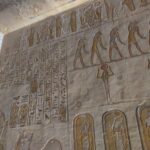
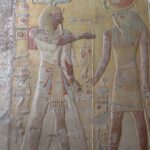
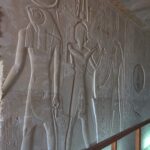
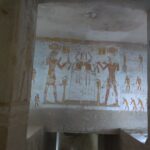
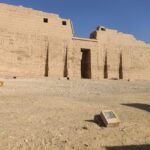
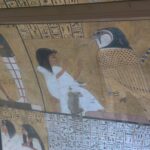
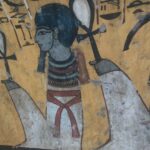
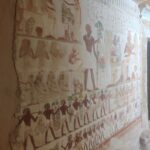
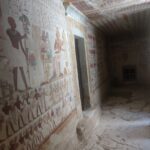
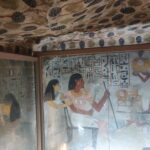
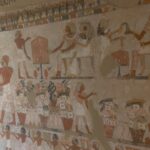
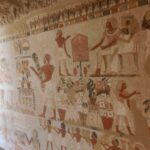
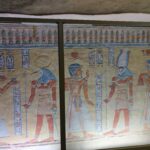
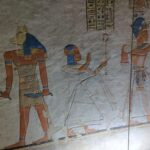
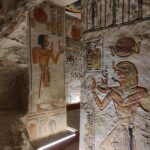
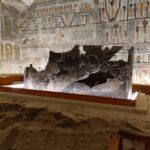
Mi vizitis preskaŭ ĉiujn tombejojn malfermitajn al la publiko en la valo de la reĝoj, valo de la reĝino, kaj Deir-el-Medinah. Unu el la interesaj observoj estas, ke oni povas vidi malsamajn risk-elektojn faritajn de malsamaj reĝoj. Iuj metis siajn tombejojn en pli alireblaj lokoj, vetante sur interna komplekseco kaj dekoracio. Aliaj, kiel Tutmose III, elektis pli malfacilajn,, pli kaŝitajn poziciojn. Sed fine, preskaŭ ĉiuj el ĉi tiuj tombejoj estis trovataj kaj disŝtearigitaj dum pli malstabilaj periodoj de motivitaj atakantoj. Ĉi tio signifas, ke eĉ la pli inteligentaj kaj pli risk-malfavora reĝoj malsukcesis en siaj sekurecaj projektadoj. Jen mia kompreno pri kial la defendoj malsukcesis kaj kiel ĝi eble povus esti pli bona.
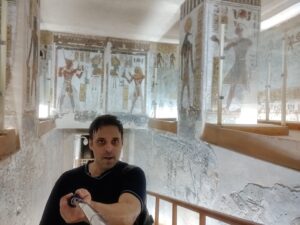
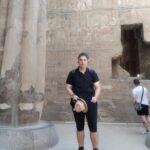
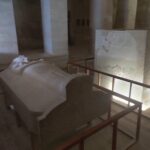
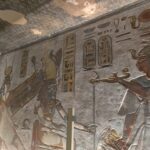
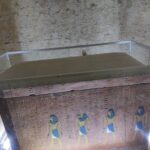
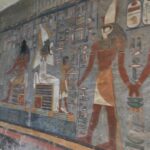
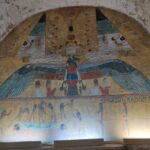
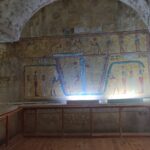
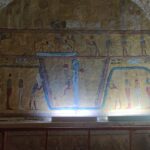
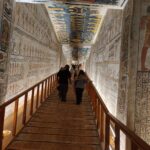
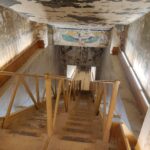
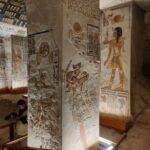
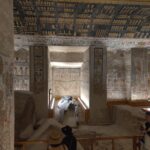
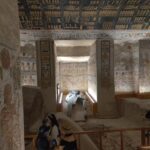
Burial chamber of Ramses the third in my background.
Why the defenses failed
- Security by obscurity was the main control. Hidden entrances, sealed doors, and a remote valley helped, but they were not enough for a defense that needed to last thousands of years.
- Time favored attackers (I always say this one to my clients!). Over centuries, secrecy leaks. Rock shifts. Political crises come and go. Motivation stays high when treasure is involved.
- Limited defense in depth. Blocking stones and false corridors slowed attackers but did not stop tunneling or insider‑enabled bypass. The main defense was security by obscurity and no additional controls.
- Insider threat, late New Kingdom instability, inflation, and delayed rations (the strike at Deir el‑Medina) increased theft and bribery. Trial records mention stonemasons, smiths, necropolis police, and low ranking priests involved in robberies.
- Single points of failure with a trusted community. Too much knowledge and access sat with one small, trusted community. Once secrecy failed there, the whole system failed.
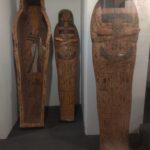
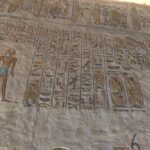
- No continuous monitoring or incident response was in place (very difficult to put it in place for thousands of years and more!). Painted snakes and divine guardians were symbolic, not real controls. (They had many of them on the walls and around coffins!) There were seals, but there was no sustained monitoring, patrols, or effective response over the long term.
Common security mistakes by the Pharaohs
- Controls did not match asset value. If you bury hundreds of kilograms of gold with the king, you invite extreme, persistent attacks. The defense did not match that high value.
- Over reliance on secrecy. Obscurity helped at first, but there were few layered controls after secrecy was gone.
- No least privilege! Many workers in Deir el‑Medina had broad knowledge of plans, maps, and layouts. This enabled later robberies.
Weak access governance. Privileged access management did not exist in a modern sense. The same teams that built the tombs knew how to breach them.
How they could have improved
- Reduce attacker motivation (MOM framework: Success = motive + method + opportunity): They should not bury large amounts of gold with the body. Keep the body for the afterlife, but remove the main motive.
- If treasure must be buried, separate it from the mummy in independent, randomized chambers, far from the main burial, with anti‑tunneling features (rubble trenches, hard bedrock layers, decoy shafts).
- Add defense in depth: Multiple sealed compartments with different sealing methods and independent stone barriers.
- Physical anti‑tamper layers that make tunneling noisy, risky, and slow.
- Enforce least privilege of knowledge: Split design details so no single team knows the full layout. Rotate crews, compartmentalize tasks, and use need‑to‑know for locations of final burial chambers.
- Keep final chamber work to a very small, highly trusted team, then remove or relocate them.
- Deception: Multiple decoy chambers with convincing goods, placed early in the build so workers think the decoy is real. False burial events to create misleading oral history.
-
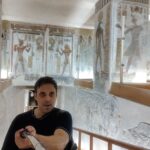
- Burial chamber of ramses the third in my background.

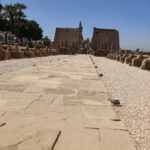
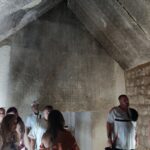
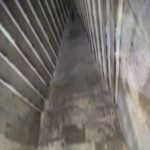
-
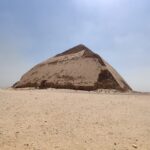
- Bent Pyramid
-
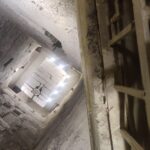
- King Djoser’s burial placement (circa ~4700 years ago)
-
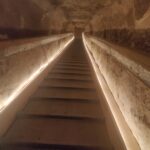
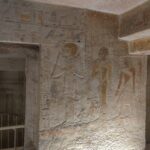
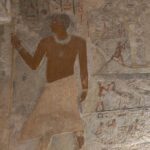
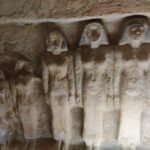
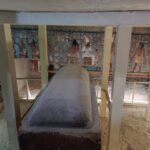
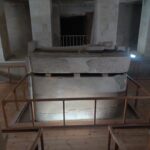
- I went 89 meters down to reach the first burial chamber of the Bent pyramid
-
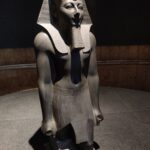
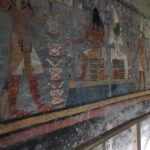
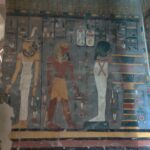
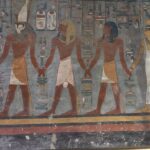
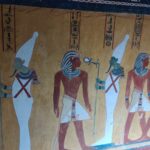
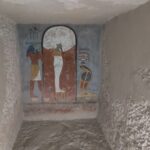
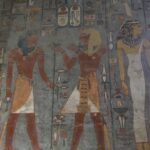
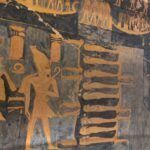
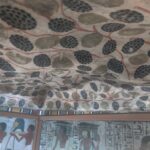
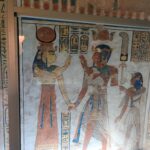
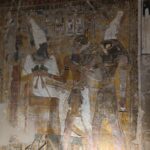
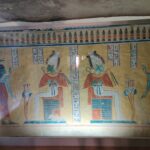
- King Thutmose III circa ~1500 BCE
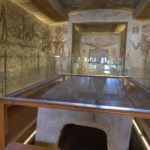
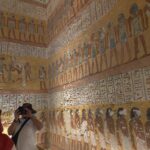
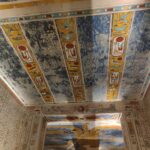
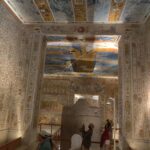
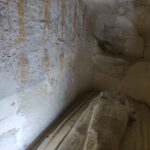
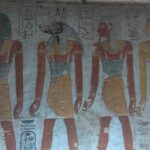
-
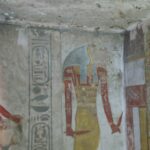
- oppo_16
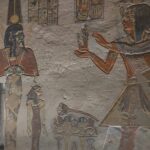

-
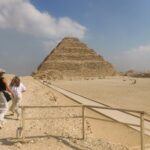
- The Pyramid of Djoser is considered the first pyramid ever built approximately 4,700 years ago.
-
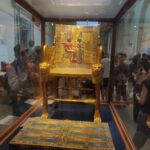
- Golden Throne of Tutankhamun was found in his burial chamber by archaeologist Howard Carter in 1922
-

- A panoramic view of the great pyramid 1
-

- A panoramic view of the great pyramid 2
More from me
 Akvuma truo atakas: kiel APT kaj ciberkrimuloj infiltras sekurajn infrastrukturojn
 Akreditaĵoj ne estas DDoS!
 La fino de Suhosin; kio sekvas?
 How to land an entry level cybersecurity job
 Aplika tavolo DDoS atakoj, kaj kiel ili povas esti mildigitaj
 Kiel trakti novajn spurajn teknikojn; Zombiaj kuketoj kaj Canvas-fingrospurado
Post Disclaimer
The views, information, or opinions expressed are solely those of the author and do not necessarily represent those of his employer or the organizations with which he is affiliated.
The information contained in this post is for general information purposes only. The information is provided by Farhad Mofidi and while he strives to keep the information current and accurate, he does not make any representations or warranties of any kind, express or implied, regarding the completeness, accuracy, reliability, suitability or availability of the website. Farhad makes no representations or warranties. or any information, products or related graphics contained in any Post for any purpose.
Also, AI may be employed as a tool to provide suggestions and improve some of the contents or sentences. The ideas, thoughts, opinions, and final products are original and human-made by the author.