Засипване с идентификационни данни не е DDoS!
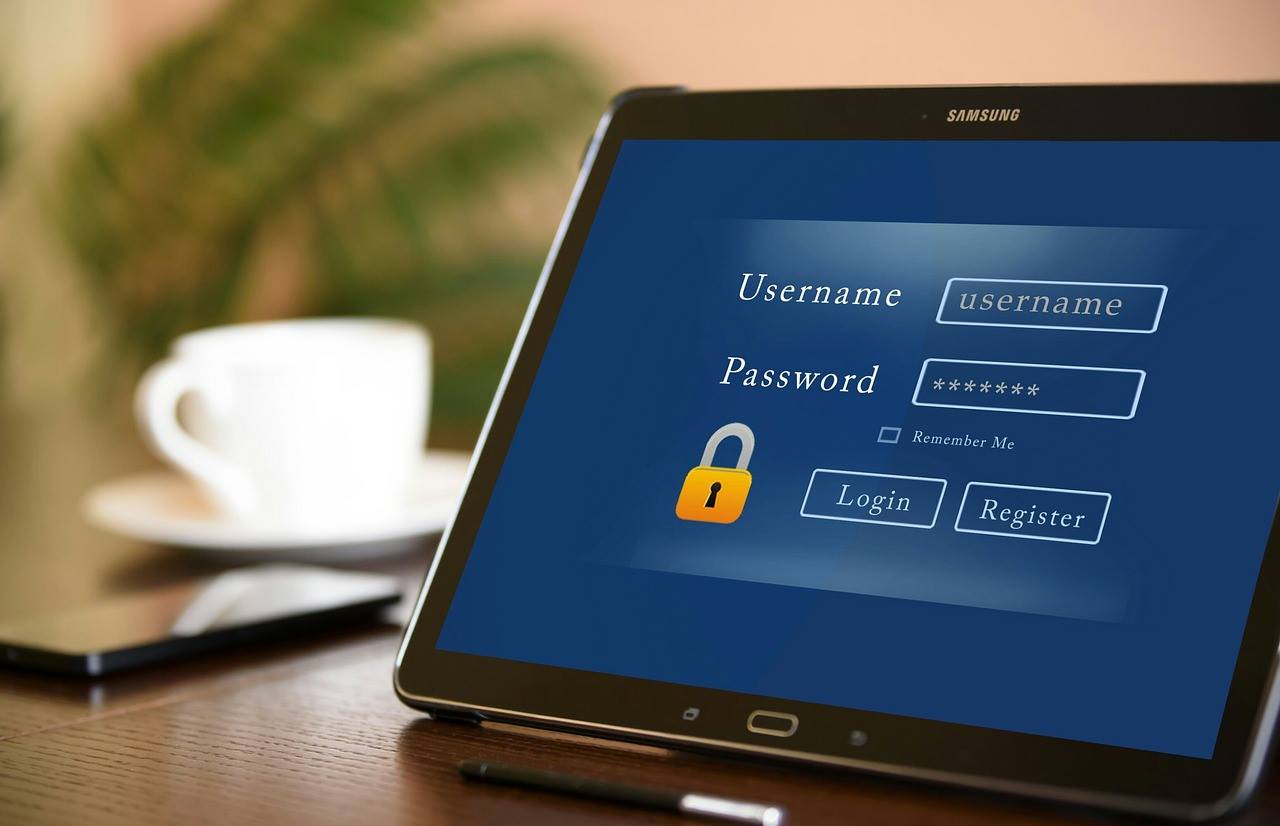
Със сигурност съм чувал това многократно през последните няколко години: някой изпитва тежка DDoS атака на своя уебсайт. Когато ги питам какъв вид атака изпитват, отговорът обикновено е, че лошите момчета им изпращат хиляди или дори милиони POST заявки. When I ask where these requests are being targeted, the answer is often the sign-up or login page!
Credential stuffing attacks are not HTTP flood DDoS attacks and are much more dangerous. These attacks may cost organizations millions of dollars in data loss and reputation damage. While an HTTP flood DDoS attack floods a website with traffic, overloading and crashing the server, a credential stuffing attack is a more targeted and insidious form of cyberattack. In a credential stuffing attack, hackers use automated bots to try thousands or millions of stolen usernames and passwords on website login pages to gain unauthorized access to users’ accounts. Currently, sale of stolen credentials are one of the most profitable businesses for criminals and those credentials are being used for credential stuffing attacks.
Unlike HTTP flood DDoS attacks, which are primarily aimed at disrupting website operations, credential stuffing attacks focus on stealing sensitive data, such as personal and financial data from compromised user accounts. These attacks can have a significant impact on a company’s bottom line as it can lead to data loss, regulatory damages, and even legal liability. Credential stuffing attacks can be particularly devastating for organizations that store sensitive customer data, such as financial sector, healthcare providers, and e-commerce companies. If a hacker gains access to your account, they can steal credit card information, social security numbers, and other sensitive data.
In addition to the direct economic losses from credential stuffing attacks, there are also indirect costs such as loss of customer trust and damage to an organization’s reputation. Customers may be reluctant to do business with companies affected by high-profile data breaches, and the negative publicity associated with attacks can be difficult to overcome.
To protect against credential stuffing attacks, organizations should implement strong authentication measures such as multi-factor authentication and CAPTCHAs to prevent automated bots from gaining unauthorized access to user accounts. You should also monitor your system for signs of suspicious activity and proactively warn users of potential account compromise. A robust incident response plan should be also in place if such an incident occurs.
More from me






След отказ от отговорност
Мненията, информация, или изразените мнения са единствено на автора и не представляват непременно тези на неговия работодател или на организациите, с които е свързан.
Информацията, съдържаща се в този пост, е само с обща информационна цел. Информацията се предоставя от Фархад Мофиди и докато той се стреми да поддържа информацията актуална и точна, той не дава никакви изявления или гаранции от какъвто и да е вид, ясни или косвени, относно пълнотата, точността, надеждността, пригодността или наличността на уебсайта. Фархад не прави никакви изявления или гаранции. или за каквато и да е информация, продукти или свързана графика, съдържаща се в който и да е пост за каквато и да е цел.
Също така, AI може да се използва като инструмент за предоставяне на предложения и подобряване на някои от съдържанията или изреченията. Идеи, мисли, мнения, и крайните продукти са оригинални и създадени от човека автор.