Şifrə doldurulması DDoS deyil!
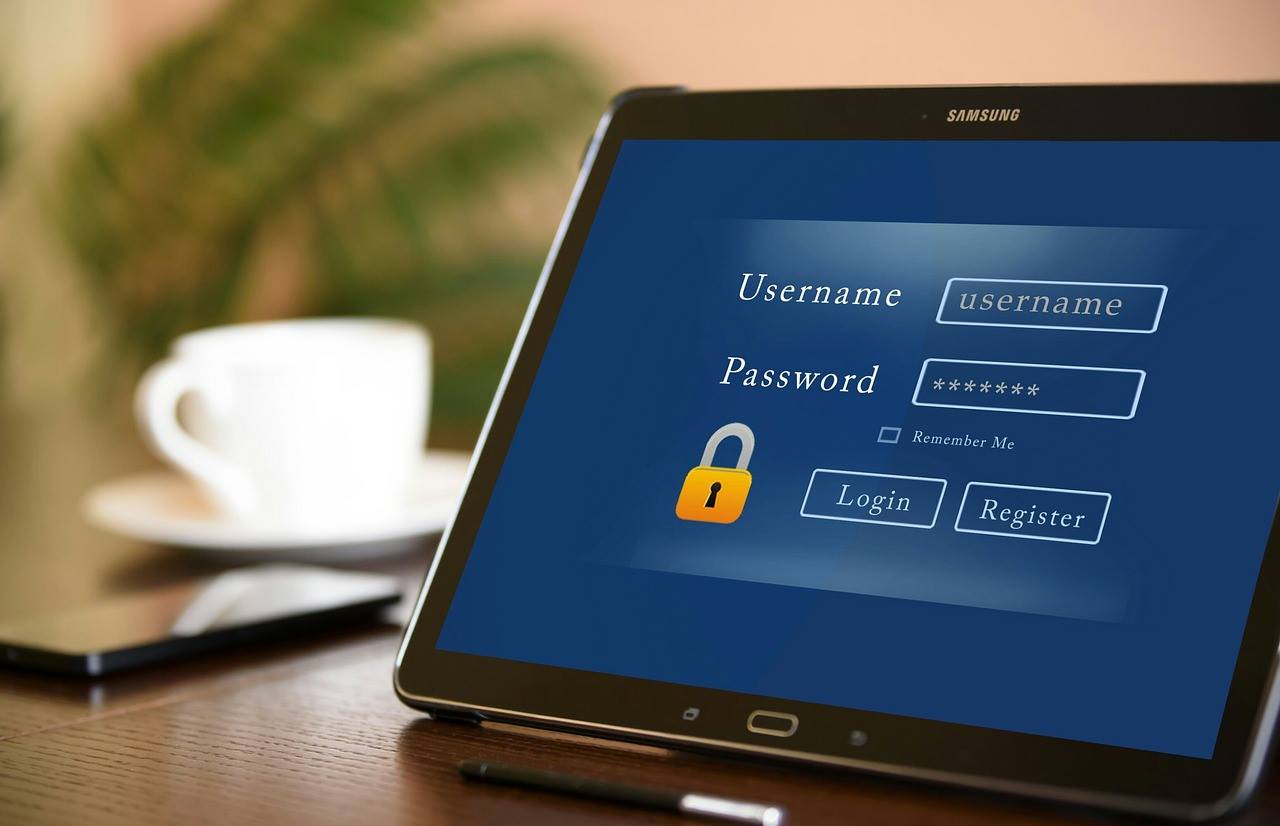
I have heard this many times over the course of the last several years: someone is experiencing a heavy DDoS attack on their website. Onlardan hansı növ hücumla üzləşdiklərini soruşduğum zaman, cavab adətən odur ki, pis niyyətli şəxslər onlara minlərlə, hətta milyonlarla POST sorğusu göndərirlər. When I ask where these requests are being targeted, the answer is often the sign-up or login page!
Credential stuffing attacks are not HTTP flood DDoS attacks and are much more dangerous. These attacks may cost organizations millions of dollars in data loss and reputation damage. While an HTTP flood DDoS attack floods a website with traffic, overloading and crashing the server, a credential stuffing attack is a more targeted and insidious form of cyberattack. In a credential stuffing attack, hackers use automated bots to try thousands or millions of stolen usernames and passwords on website login pages to gain unauthorized access to users’ accounts. Currently, sale of stolen credentials are one of the most profitable businesses for criminals and those credentials are being used for credential stuffing attacks.
Unlike HTTP flood DDoS attacks, which are primarily aimed at disrupting website operations, credential stuffing attacks focus on stealing sensitive data, such as personal and financial data from compromised user accounts. These attacks can have a significant impact on a company’s bottom line as it can lead to data loss, regulatory damages, and even legal liability. Credential stuffing attacks can be particularly devastating for organizations that store sensitive customer data, such as financial sector, healthcare providers, and e-commerce companies. If a hacker gains access to your account, they can steal credit card information, social security numbers, and other sensitive data.
In addition to the direct economic losses from credential stuffing attacks, there are also indirect costs such as loss of customer trust and damage to an organization’s reputation. Customers may be reluctant to do business with companies affected by high-profile data breaches, and the negative publicity associated with attacks can be difficult to overcome.
To protect against credential stuffing attacks, organizations should implement strong authentication measures such as multi-factor authentication and CAPTCHAs to prevent automated bots from gaining unauthorized access to user accounts. You should also monitor your system for signs of suspicious activity and proactively warn users of potential account compromise. A robust incident response plan should be also in place if such an incident occurs.
More from me
 Baryerləri Qırmaq
 WAF ölüdür, WAF uzun olsun!
 Paranoid yoxsa Hazır?? Masanızdakı casuslar
 How to deal with new tracking techniques; Zombie cookies and Canvas fingerprinting
 Qədim dünyanın ən böyük təhlükəsizlik uğursuzluğu: Kral Vadisindən alınan təhlükəsizlik dərsləri
 Giriş səviyyəli kibertəhlükəsizlik işini necə əldə etmək olar
Postun İmtinası
Baxışlar, məlumat, və ya ifadə edilən fikirlər yalnız müəllifə aiddir və onun işəgötürəni və ya ona bağlı olan təşkilatları mütləq əks etdirmir.
Bu yazıda olan məlumat yalnız ümumi məlumat məqsədləri üçün nəzərdə tutulub. The information is provided by Farhad Mofidi and while he strives to keep the information current and accurate, he does not make any representations or warranties of any kind, express or implied, regarding the completeness, accuracy, reliability, suitability or availability of the website. Farhad makes no representations or warranties. or any information, istənilən Postda istənilən məqsəd üçün olan məhsullar və ya əlaqəli qrafikalar.
Həmçinin, AI bəzi məzmun və cümlələri yaxşılaşdırmaq və təkliflər vermək üçün vasitə kimi istifadə oluna bilər. Fikirlər, fikirlər, fikirlər, və son məhsullar müəllif tərəfindən orijinal və insan tərəfindən yaradılmışdır.