Níl aon DDoS ag baint le líonadh dintiúir!
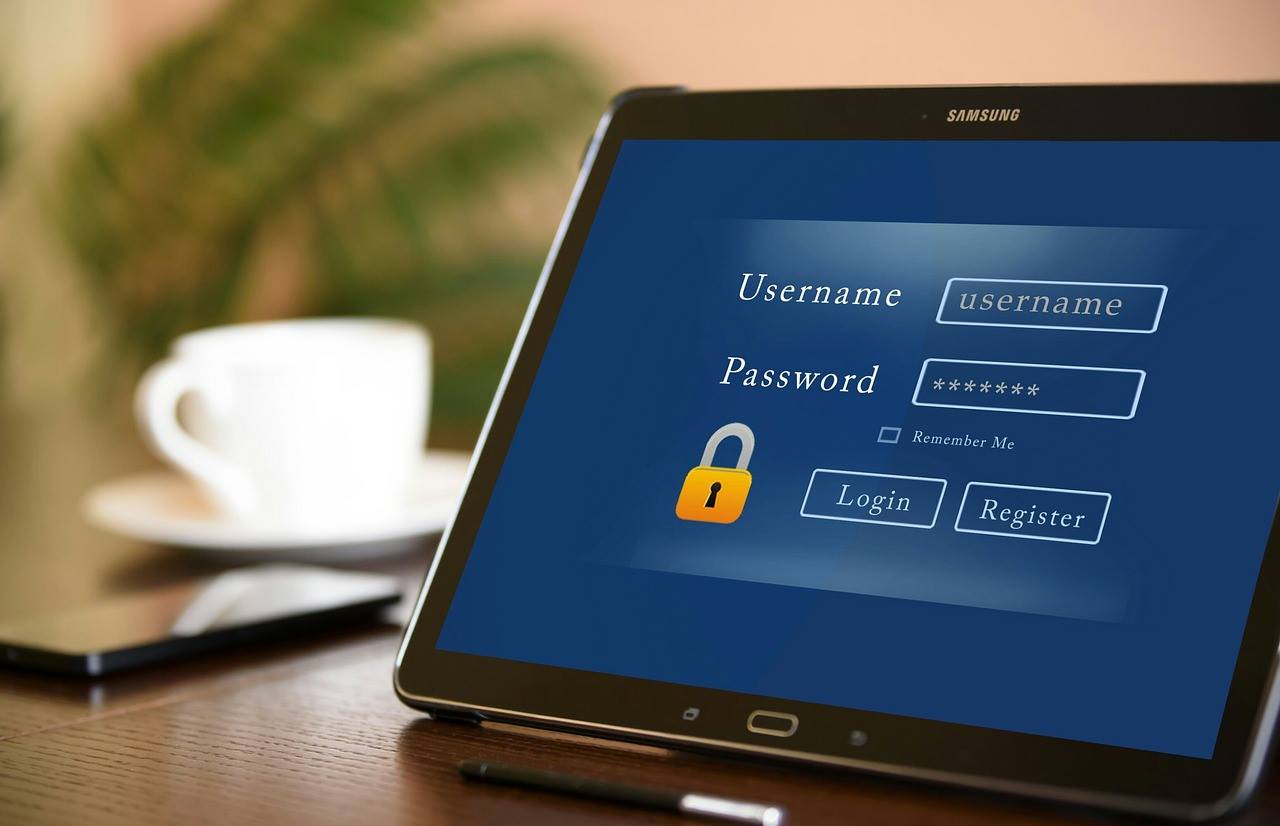
I have heard this many times over the course of the last several years: someone is experiencing a heavy DDoS attack on their website. When I ask them what type of attack they are experiencing, the answer is usually that the bad guys are sending them thousands or even millions of POST requests. When I ask where these requests are being targeted, the answer is often the sign-up or login page!
Credential stuffing attacks are not HTTP flood DDoS attacks and are much more dangerous. These attacks may cost organizations millions of dollars in data loss and reputation damage. While an HTTP flood DDoS attack floods a website with traffic, overloading and crashing the server, a credential stuffing attack is a more targeted and insidious form of cyberattack. In a credential stuffing attack, hackers use automated bots to try thousands or millions of stolen usernames and passwords on website login pages to gain unauthorized access to users’ accounts. Currently, sale of stolen credentials are one of the most profitable businesses for criminals and those credentials are being used for credential stuffing attacks.
Unlike HTTP flood DDoS attacks, which are primarily aimed at disrupting website operations, credential stuffing attacks focus on stealing sensitive data, such as personal and financial data from compromised user accounts. These attacks can have a significant impact on a company’s bottom line as it can lead to data loss, regulatory damages, and even legal liability. Credential stuffing attacks can be particularly devastating for organizations that store sensitive customer data, such as financial sector, healthcare providers, and e-commerce companies. If a hacker gains access to your account, they can steal credit card information, social security numbers, and other sensitive data.
In addition to the direct economic losses from credential stuffing attacks, there are also indirect costs such as loss of customer trust and damage to an organization’s reputation. Customers may be reluctant to do business with companies affected by high-profile data breaches, and the negative publicity associated with attacks can be difficult to overcome.
To protect against credential stuffing attacks, organizations should implement strong authentication measures such as multi-factor authentication and CAPTCHAs to prevent automated bots from gaining unauthorized access to user accounts. You should also monitor your system for signs of suspicious activity and proactively warn users of potential account compromise. A robust incident response plan should be also in place if such an incident occurs.
More from me
 An teip slándála is mó ar domhan ársa: ceachtanna slándála ó Ghleann na Ríthe
 Breaking Down Barriers
 Deireadh Suhosin; cad atá romhainn?
 Paranoid nó Ullmhaithe? Na spiairí ar do dheasc
 Conas déileáil le teicnící rianaithe nua; Fianáin Zombie agus méarlorgaireacht Canbhás
 Conas post cybersecurity leibhéal iontrála a thabhairt i dtír
Post Séanadh
Na radharcanna, eolas, nó gur tuairimí an údair amháin iad na tuairimí a chuirtear in iúl agus nach gá gurb ionann iad agus tuairimí a fhostóra nó na n-eagraíochtaí lena bhfuil sé cleamhnaithe.
Is chun críocha faisnéise ginearálta amháin an fhaisnéis atá sa phost seo. Is é Farhad Mofidi a sholáthraíonn an t-eolas agus cé go ndéanann sé a dhícheall an t-eolas a choinneáil cothrom le dáta agus cruinn, ní dhéanann sé aon uiríll nó barántaí de chineál ar bith, sainráite nó intuigthe, maidir le hiomláine, cruinneas, iontaofacht, oiriúnacht nó infhaighteacht an tsuímh Ghréasáin. Ní dhéanann Farhad aon uiríoll nó barántas. nó aon fhaisnéis, táirgí nó grafaic ghaolmhar atá in aon Phost chun críche ar bith.
Chomh maith leis sin, Féadfar AI a úsáid mar uirlis chun moltaí a sholáthar agus chun cuid den ábhar nó de na habairtí a fheabhsú. Na smaointe, smaointe, tuairimí, agus tá na táirgí deiridh bunaidh agus de dhéantús an duine ag an údar.